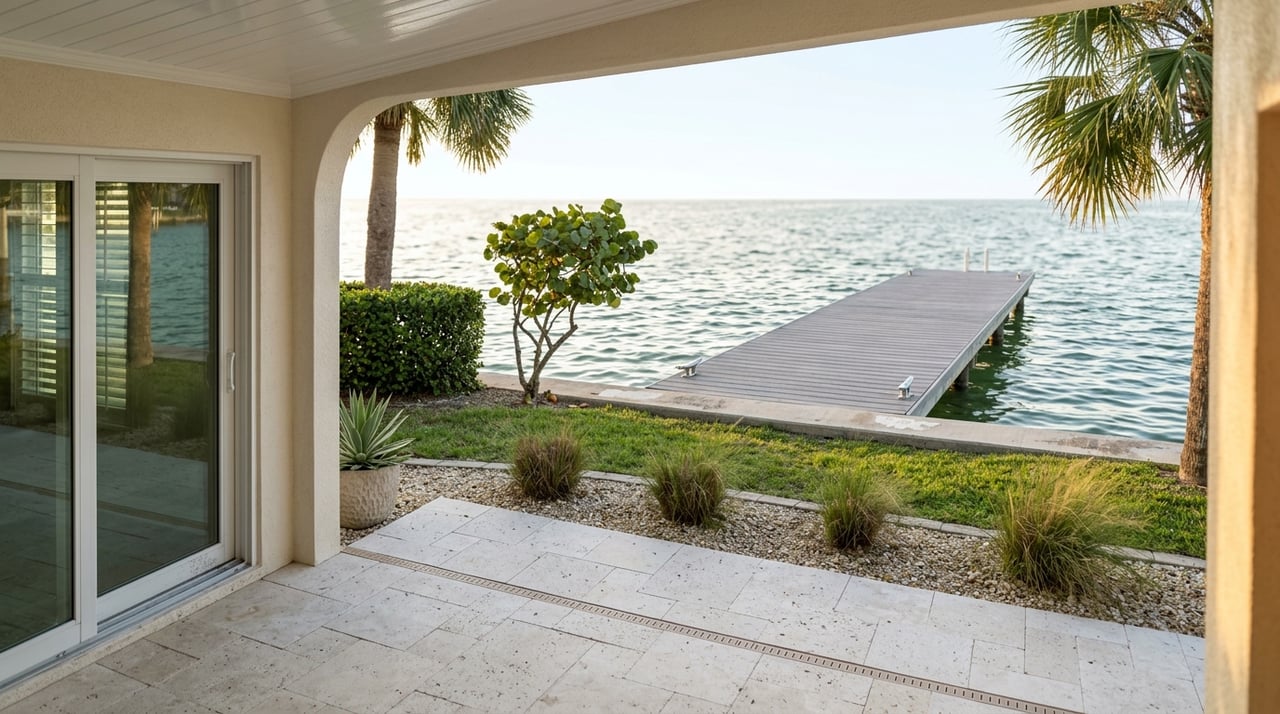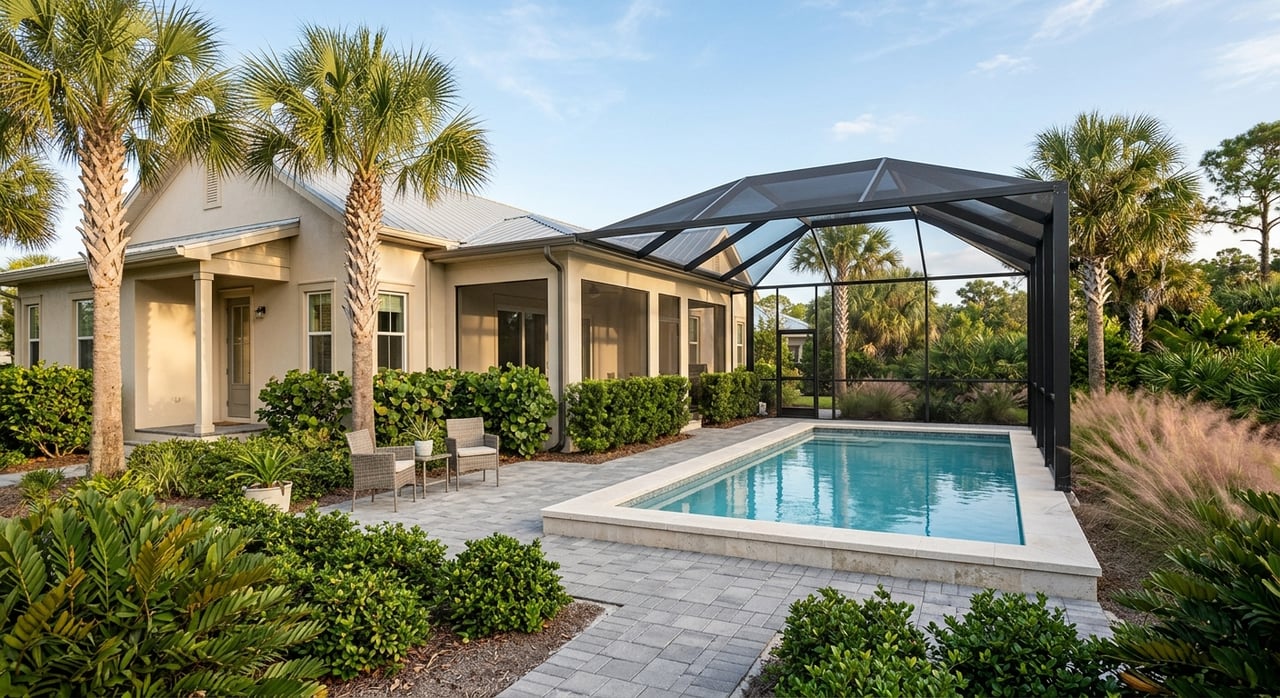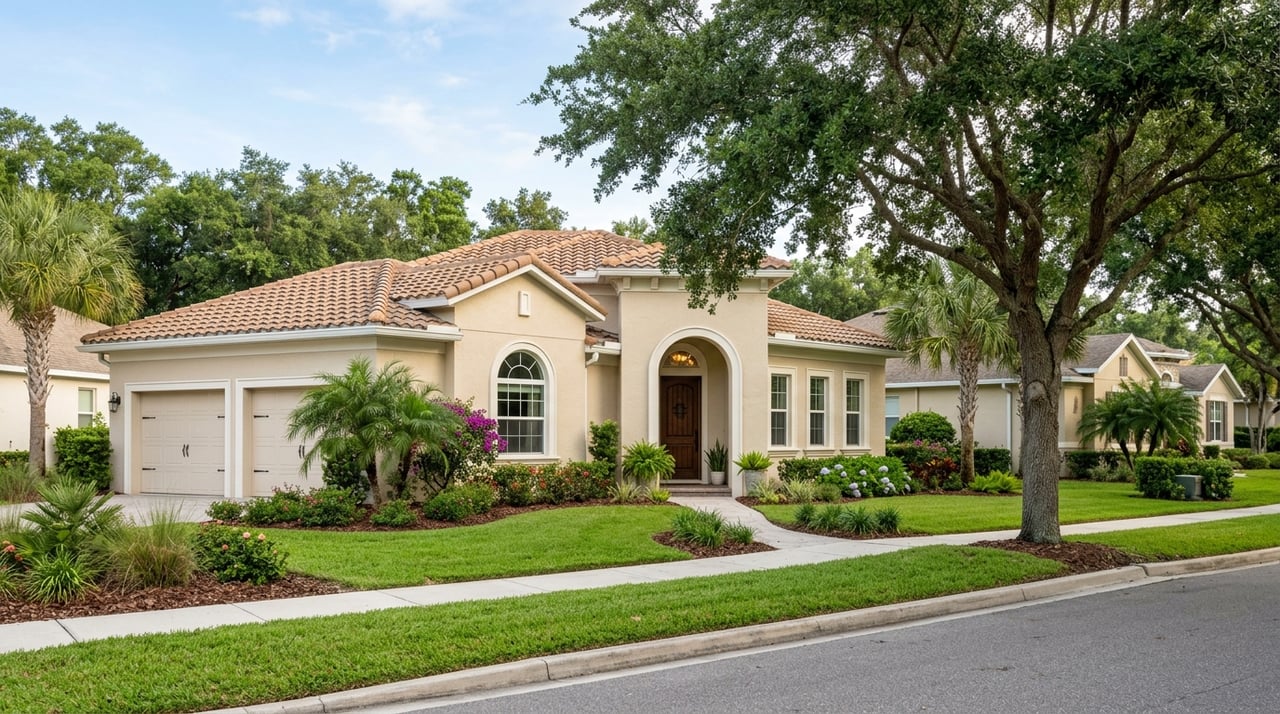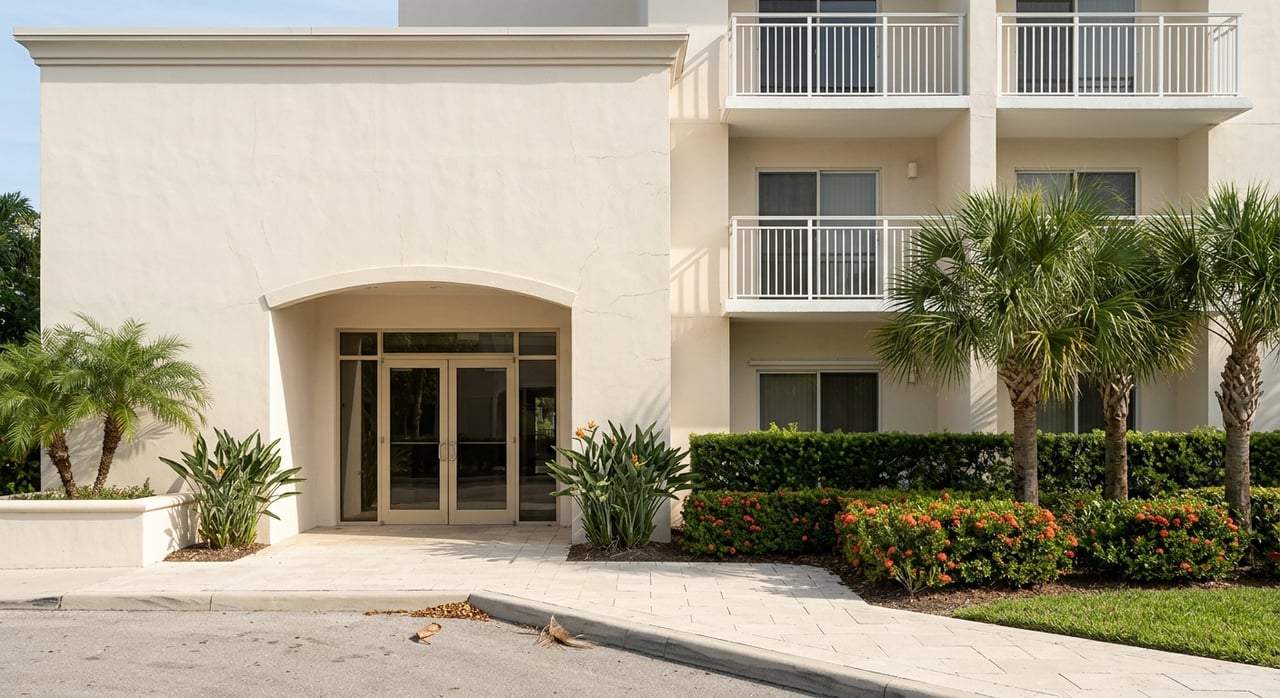
Dreaming about a place where you can slip away for long weekends, enjoy the ocean breeze, and maybe offset costs with rental income? Buying a vacation condo in New Smyrna Beach can be a smart lifestyle move, but it also comes with details that matter far beyond the view from the balcony. If you are considering a second home here, you need more than a list of pretty listings. You need a clear plan for comparing buildings, reviewing condo documents, and understanding local rules before you buy. Let’s dive in.
Why New Smyrna Beach Condo Buyers Have Options
If you are shopping for a vacation condo in New Smyrna Beach, the good news is that you usually have time to compare properties carefully. Current market data shows 241 condos for sale in the city on Redfin, with a median listing price of about $476,000 and most condos taking around 92 days to sell. Zillow’s broader city data also supports a market where buyers can evaluate options, with a median sale price of $460,833 and median days to pending of 77.
That does not mean every condo will sit. Well-positioned units can still move quickly, especially when the building is well maintained and the condo checks the right boxes for financing, rental use, and insurance. For a vacation buyer, that means your decision should be based on the whole property package, not just the unit itself.
What Matters Beyond the Unit
When you buy a single-family home, your focus may stay mostly on the property itself. With a condo, the building and association play a much bigger role in your ownership experience. In New Smyrna Beach, details like dues, reserve planning, rules, and shared building systems can matter just as much as square footage or updates.
That is especially true in coastal buildings with more amenities and more common elements to maintain. A beautiful lobby, beach access, elevator, or heated pool can add value to your lifestyle, but those features also affect maintenance needs, budgeting, and insurance.
Amenities Buyers Often Compare
New Smyrna Beach condo communities often include a resort-style mix of features. Based on representative communities and active listings, buyers commonly compare:
- Direct or deeded beach access
- Heated pools and spas
- Clubhouses
- Fitness centers
- Elevators
- Gated or secured entry
- Covered or under-building parking
- Tennis or pickleball courts
- Storage areas
- Boat slips in select communities
- Nature trails in some developments
Not every building offers all of these features. The key is to decide which amenities match how you plan to use the condo, whether that means personal getaways, seasonal stays, or rental use.
HOA Documents You Should Review Early
One of the most important parts of buying a Florida condo happens before closing. Florida condo resale law requires sellers to provide key association documents, including the declaration, articles, bylaws, rules, annual financial statement, and budget. Sellers must also provide the milestone inspection summary if applicable, along with the association’s most recent structural integrity reserve study, or a statement that none has been completed.
For contracts entered after December 31, 2024, missing or late milestone or structural reserve disclosures can make the contract voidable by the buyer. That gives you an important layer of protection, but it also shows how serious this paperwork has become in condo transactions.
Key Questions to Ask About the Association
Before you get too attached to a unit, ask for clarity on a few core items:
- What are the current monthly dues?
- What do the dues cover?
- Has the association completed a structural integrity reserve study?
- Has the building completed a milestone inspection, or is one due soon?
- Are there any current or pending special assessments?
- Are there rental restrictions?
- Are there transfer or approval requirements for buyers?
These answers can shape your monthly costs, your financing options, and your future resale potential.
Milestone Inspections Matter in Volusia County
Older coastal condo buildings require extra attention. Under Florida law, milestone inspections apply to condo or cooperative buildings that are three stories or higher by the year they reach 30 years of age. However, local enforcement can require the inspection earlier when local conditions justify it.
In Volusia County, that local rule matters in a big way. The county’s current milestone fee schedule says buildings within three miles of the coastline must complete the milestone inspection at 25 years, then every 10 years after that. Since many vacation condo buyers in New Smyrna Beach are drawn to coastal properties, this is a major due diligence point.
Why This Affects Your Purchase
If a building is approaching the inspection deadline, you will want to know whether the inspection is already complete, whether repairs were recommended, and whether the association has planned for any related costs. Even if the unit looks move-in ready, building-level issues can still affect your ownership costs and timeline.
Reserve Studies and Special Assessments
Florida also requires structural integrity reserve studies for many condo buildings that are three habitable stories or higher. These studies must be completed at least every 10 years and cover major components such as the roof, structure, fireproofing and fire protection, plumbing, electrical systems, waterproofing and exterior painting, windows and exterior doors, and other major items that meet the legal threshold.
This is one of the clearest signs that a condo purchase is about more than interior finishes. Reserve planning gives you insight into how prepared the association is for future repairs and replacements.
Why Buyers Should Care About Assessments
Special assessments are one of the biggest financial risks condo buyers should review before closing. Florida law makes unit owners responsible for assessments while they own the property, and special assessments must be explained in written notice with their purpose.
That is why the estoppel certificate is so important. It can help confirm current dues, special assessments, transfer rules, and insurance contacts. If you are buying a vacation condo, this document can tell you a lot about whether the building is running smoothly or whether extra costs may be on the horizon.
Financing a Vacation Condo Can Be More Complex
If you plan to finance your purchase, the condo project itself matters, not just your personal loan qualifications. Fannie Mae says lenders completing a Full Review must confirm that the condo project meets applicable eligibility standards. Updated lender guidance in March 2026 also tightened focus on project insurance and underfunded associations.
In plain terms, that means a condo with weak documentation, insurance concerns, or poor financial health may create financing hurdles. Even if you are a strong borrower, the building still has to meet lender standards.
Financing Questions to Ask
Before writing an offer, it helps to ask:
- Has this project had any financing issues recently?
- Does the association have current insurance information available?
- Are reserves being funded appropriately?
- Will your intended loan type work for this building?
These questions are not just about getting to closing. They also relate to future resale, since your next buyer may face the same financing review.
Rental Rules Can Change the Math
Many vacation condo buyers want flexibility to rent the unit when they are not using it. In New Smyrna Beach, short-term rental rules are highly location specific. According to the city’s official brochure, rentals under 30 days are allowed only in designated areas and zoning districts.
Rentals of 30 days or longer are allowed anywhere in the city with a Business Tax Receipt. The city also states that the Business Tax Receipt must be renewed annually and is issued after fees are paid and an initial inspection is passed.
Why Condo Rules Matter Too
City rules are only part of the picture. The condo association may have stricter rental rules than the city, including minimum lease terms, application requirements, caps on the number of leases per year, or approval procedures. If rental income is part of your plan, confirm both the city requirements and the HOA rules before you buy.
Taxes and Licensing for Rental Use
If you plan to rent your condo, tax compliance matters. Volusia County states that the tourist development tax applies to rentals of six months or less, and owners are responsible for collecting and remitting the tax. The county’s FAQ says the combined total tax burden is 12.5 percent.
The county also notes that not every online platform remits every portion of the tax, so owners should verify compliance carefully. In addition, Florida’s DBPR licenses vacation rentals as either condominium or dwelling units. If your condo is part of your investment strategy, these are not details to leave until later.
How to Think About Resale Potential
Even if you plan to keep the condo for years, it helps to buy with resale in mind. In New Smyrna Beach, future resale potential is likely to be shaped by the same factors you should review now: amenities, rental flexibility, insurance, reserves, and whether the building has completed required structural documentation.
With meaningful inventory and average market time that gives buyers room to compare, stronger buildings may stand out over time. Clean association records and financing-friendly documentation can make a difference when you eventually decide to sell, even though no outcome is guaranteed.
A Smart Vacation Condo Checklist
If you want to narrow your options quickly, use this checklist before or during tours:
- Confirm the allowed rental length
- Review HOA rules and restrictions
- Check whether the building offers the beach access and amenities you want
- Ask for the latest budget and reserve study
- Find out whether a milestone inspection has been completed or is due soon
- Ask about pending or recent special assessments
- Confirm whether your financing type will work with the project
This short list can save you time and help you focus on buildings that truly fit your goals.
Buying a vacation condo in New Smyrna Beach should feel exciting, not overwhelming. When you understand the building, the documents, the rental rules, and the long-term costs, you can make a much more confident decision. If you want local guidance as you compare beachfront and near-beach condo options, Megan Guerrero can help you sort through the details and find the right fit for how you want to live, invest, or escape to the coast.
FAQs
What should you review before buying a vacation condo in New Smyrna Beach?
- Review the HOA rules, budget, financial statements, reserve study, milestone inspection status, special assessments, rental restrictions, and whether your loan type is acceptable for the condo project.
Are short-term rentals allowed for vacation condos in New Smyrna Beach?
- Rentals under 30 days are allowed only in designated areas and zoning districts in New Smyrna Beach, while rentals of 30 days or longer are allowed citywide with a Business Tax Receipt.
Why do milestone inspections matter for New Smyrna Beach condos?
- Milestone inspections matter because many coastal condo buildings in Volusia County must complete them at 25 years if they are within three miles of the coastline and are three stories or higher.
Can condo amenities affect your ownership costs in New Smyrna Beach?
- Yes. Amenities like pools, elevators, secured entry, parking structures, and club facilities can increase maintenance demands, which may affect dues, reserve needs, and insurance costs.
What taxes apply if you rent out a vacation condo in Volusia County?
- Volusia County says the tourist development tax applies to rentals of six months or less, and the county’s FAQ states the combined total tax burden is 12.5 percent.
How does financing work for a vacation condo in New Smyrna Beach?
- Financing can depend on both your qualifications and the condo project’s documentation, insurance, reserves, and overall eligibility under lender review standards.