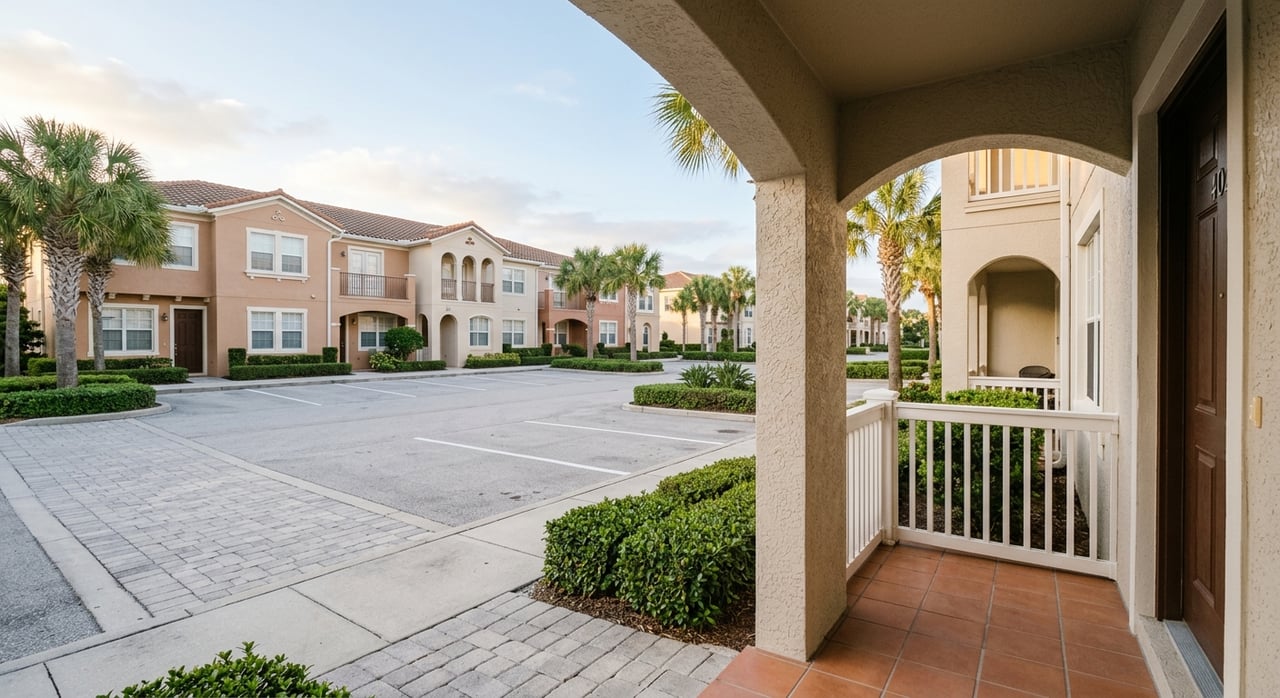
Trying to decide between a condo and a townhome in Ormond Beach? You are not alone. Both options can offer a lower-maintenance lifestyle than a detached home, but they can feel very different once you look at location, fees, parking, storm planning, and day-to-day upkeep. If you want to choose with more confidence, this guide will walk you through the key differences that matter most in Ormond Beach. Let’s dive in.
Where condos and townhomes are found
In Ormond Beach, condos and townhomes are often built in different parts of the city, and that shapes the lifestyle you get.
According to the city’s housing data and analysis, Ormond Beach has 983 condo units, with much of the condo inventory concentrated in beachside and river-oriented areas. You will often see condos near Oceanshore Boulevard, South Atlantic Avenue, South Beach Street, John Anderson Drive, and other Halifax River-adjacent streets. Many of these condo buildings date from 1969 to 1994, which points to a more established coastal condo market.
Townhomes, on the other hand, tend to show up more often in inland subdivision settings. The city’s development information identifies Bradford Park as a 180-lot townhouse subdivision south of Pennsylvania Avenue, east of I-95, and west of Plantation Oaks Boulevard. Other townhouse-related projects also appear in the Plantation Oaks area, including Ormond Grande, Cupola, and Bradford Lakes.
Ormond Beach is also still evolving. The city’s Ormond Crossings plan allows a mix of townhomes, row homes, duplexes, triplexes, four-plexes, and condominiums in a large planned area east and west of I-95 south of US-1. In simple terms, condos are often tied to the beachside or riverfront lifestyle, while townhomes more often offer an inland, neighborhood-style setting.
How maintenance usually differs
One of the biggest reasons buyers choose a condo or townhome is maintenance. If you want fewer exterior responsibilities, this is where the details really matter.
Under Florida condominium law, condo associations generally handle common expenses tied to the operation, maintenance, repair, replacement, and protection of common elements and association property. In many condo communities, that means the association may have a broader role in maintaining shared areas and certain structural components.
Townhomes can be different. Under Florida Chapter 720, HOA responsibilities depend heavily on the governing documents. Some townhome communities cover exterior maintenance and shared amenities in a way that feels similar to condo living, while others leave more responsibility with the owner and function more like a single-family home with a lighter HOA.
That is why the label alone is not enough. A condo may offer the broadest maintenance relief, but some townhomes can be close. You need to review the declaration, budget, and maintenance responsibilities for the specific property.
What monthly fees may cover
Monthly fees can look simple at first, but they often pay for very different things.
The U.S. Census Bureau reports that in 2024, 21.6 million owned households paid condo or HOA fees, and the national median monthly fee was $135. The same report notes that condo fees often cover more shared services and structural features, such as roofs and hallways, than HOA fees do.
In Ormond Beach, that difference can be especially important if you are comparing an older beachside condo with a newer inland townhome. A condo fee may be higher, but it may also include more maintenance items and shared services. A townhome HOA fee may be lower, but you may be responsible for more on your own.
The smartest move is to compare the full monthly cost, not just the list price or the advertised dues. Include:
- Mortgage payment
- Association dues
- Insurance
- Wind or flood coverage if applicable
- Utilities included in the fee
- Potential assessments
Why condo reserves matter now
If you are shopping for an older condo in Ormond Beach, reserve funding deserves extra attention.
Under Florida Statute 718.112, residential condo associations with buildings that are three habitable stories or higher must complete a structural integrity reserve study every 10 years. The law also limits the ability to waive or underfund certain required reserves in budgets adopted on or after December 31, 2024.
For buyers, this can affect affordability. In older mid-rise or high-rise condos, especially in coastal areas, reserve requirements may lead to higher monthly dues or special assessments. That does not mean you should avoid these properties. It means you should understand the budget, reserve study status, and any known upcoming costs before you buy.
Parking and privacy feel different
A condo and a townhome can offer very different day-to-day convenience, especially when it comes to parking and personal space.
The city’s planned residential development code shows that parking standards vary by housing type. Common parking areas are allowed in multifamily and condominium ownership, while some attached single-family or cluster-style developments can use common driveways and include standards tied to garages and guest parking.
In real-life terms, condos often rely more on shared or assigned parking. Townhomes often feel more garage- and driveway-oriented. Of course, each community is different, so ask exactly how parking works.
Use this checklist when you compare properties:
- Is parking assigned, deeded, shared, or first come, first served?
- Do you get a garage, driveway, carport, or open lot space?
- How much guest parking is available?
- Is the parking space a limited common element or part of the deeded property?
Privacy can vary too. A condo may involve shared hallways, elevators, and walls with neighbors above or below. A townhome often feels more house-like, with direct entry and fewer shared common interior spaces.
Amenities and services to compare
Amenities can make one property feel like a better fit, even if the list price is similar.
Because condo and HOA fees may cover different services and amenities, it helps to compare them side by side. One property may include exterior upkeep and broader shared services, while another may focus more on common areas and fewer included items.
When you review a condo or townhome community, ask for a clear breakdown of:
- Exterior maintenance responsibilities
- Roof responsibilities
- Landscaping coverage
- Pool or recreational amenities
- Building insurance responsibilities
- Water, sewer, trash, or cable inclusions
- Rules for exterior changes or storm protection
This is where two properties with similar fees can turn out to be very different values.
Coastal lifestyle vs inland setting
In Ormond Beach, location may be the biggest deciding factor of all.
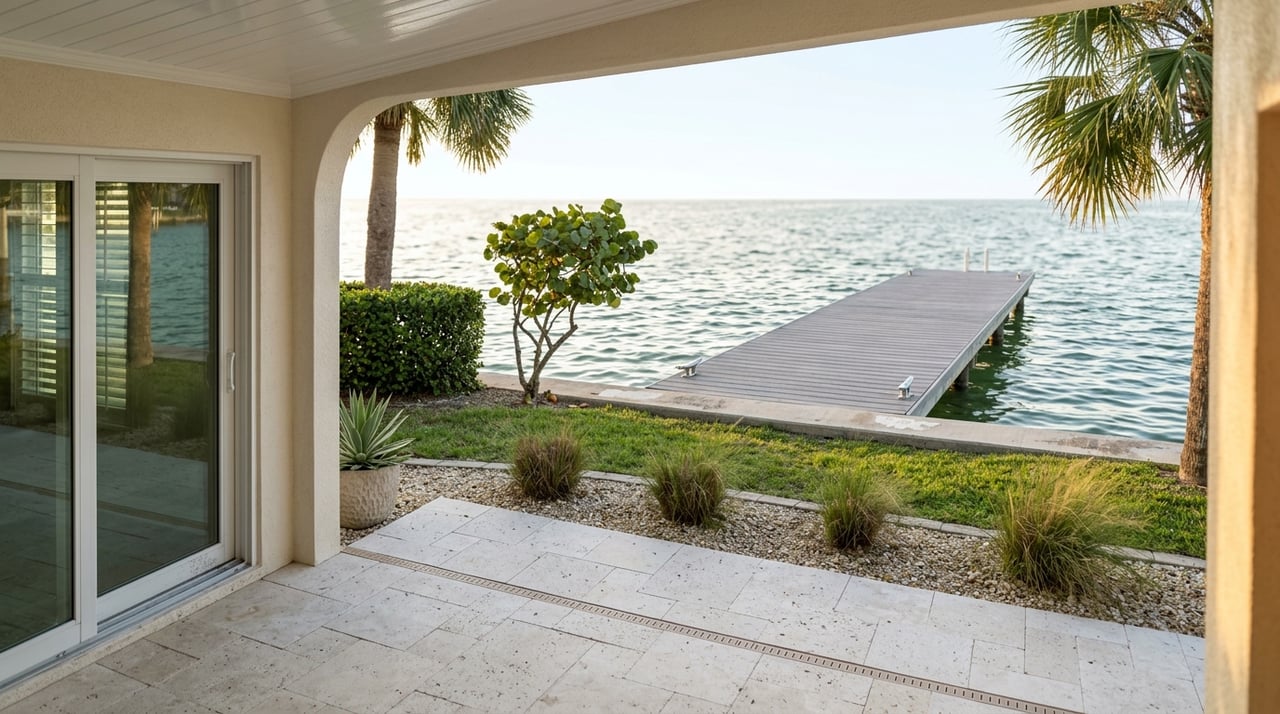
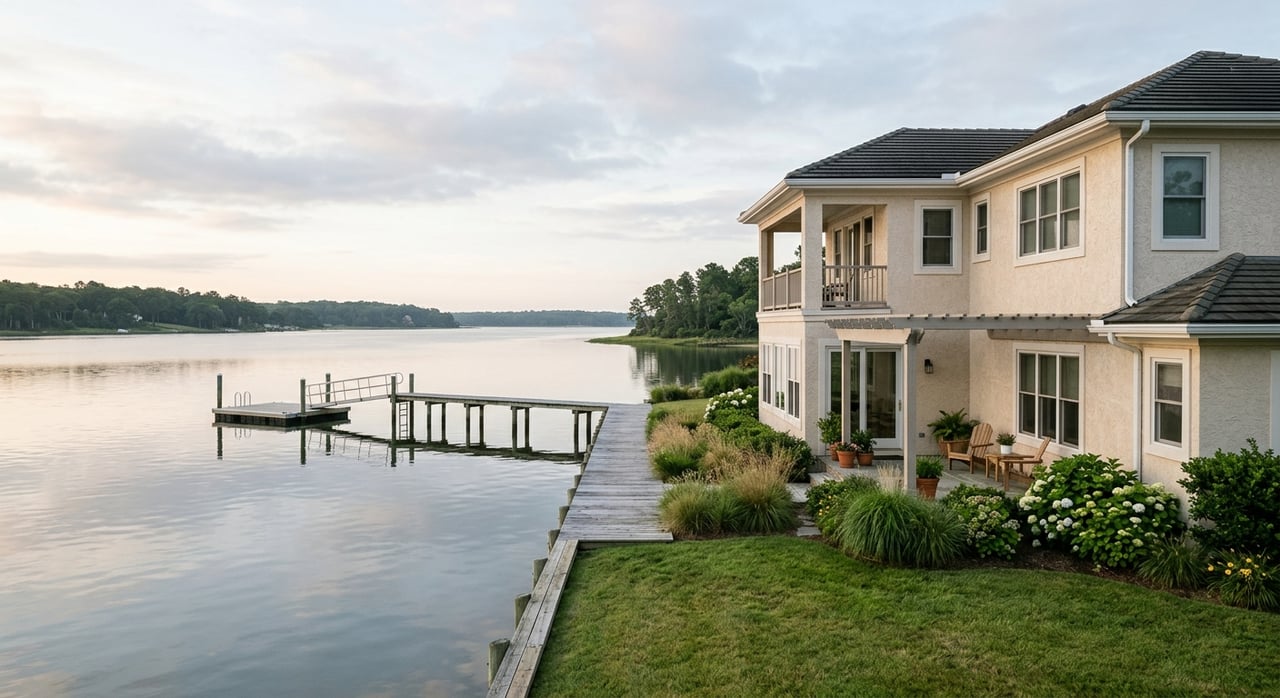
Beachside and riverfront condos often offer the closest access to the shoreline and water-oriented living. The city’s beachside walking tour information highlights the barrier island areas around Granada Boulevard, Riverside Drive, and John Anderson Drive, which helps illustrate why these locations are so appealing to buyers who want a true coastal setting.
That same coastal location also comes with practical questions. The city notes that residents living beachside or near rivers may be asked to evacuate during a hurricane. So if you are choosing a beachside condo, it is wise to think through elevation, storm readiness, building systems, and how evacuation logistics would work for you.
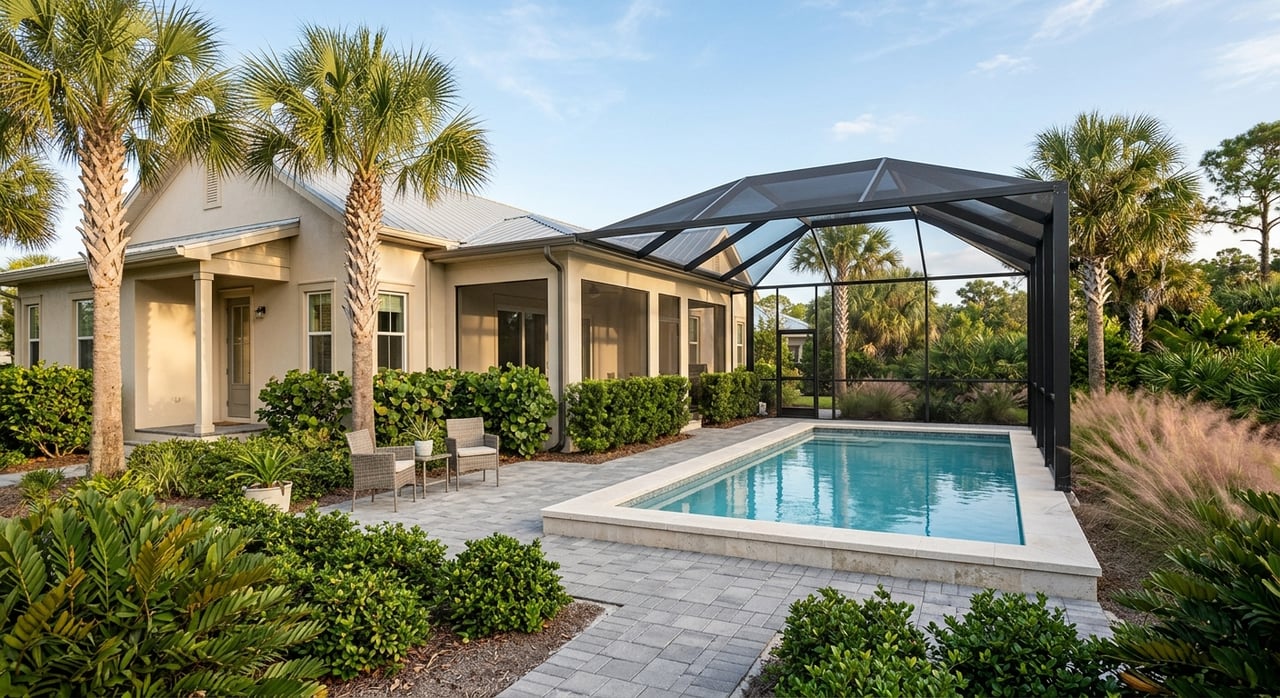
Inland townhomes often offer a different pace. Communities west of I-95 or in areas like Plantation Oaks and Ormond Crossings can feel more neighborhood-oriented, with a layout that may appeal to buyers who want a more traditional residential setting.
Which option may fit you best
If your top priority is shoreline proximity and the lowest level of exterior maintenance, a condo may be the stronger match. This is especially true if you want to lock up and go with less day-to-day upkeep.
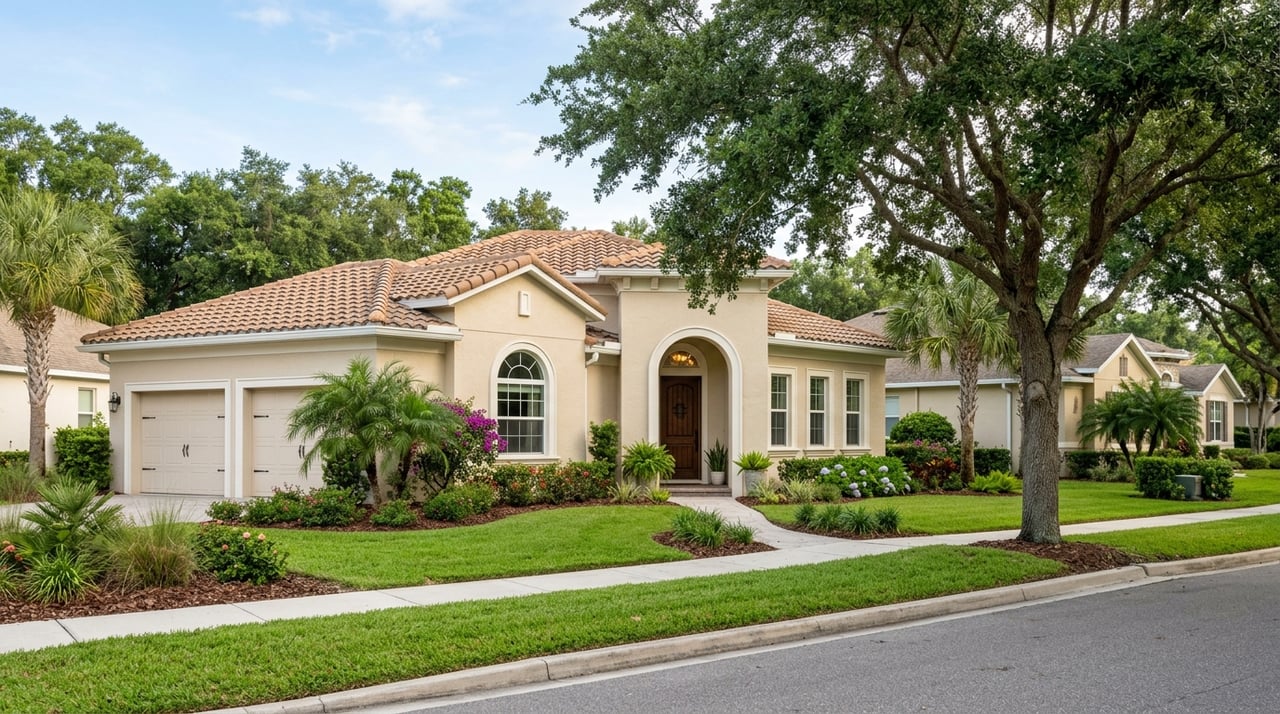
If you want a more house-like layout, easier direct parking access, and often a newer inland setting, a townhome may make more sense. That can be especially appealing if you want the balance between attached living and a more private entrance or garage-oriented setup.
In Ormond Beach, the smartest choice usually comes down to the specific community documents, not just the property label. Fees, reserves, parking, maintenance splits, and storm exposure can all change the equation.
If you want help comparing condo and townhome options in Ormond Beach, Megan Guerrero can help you sort through the details, narrow down the right fit, and move forward with confidence.
FAQs
What is the main difference between condo and townhome living in Ormond Beach?
- In Ormond Beach, condos are often found in beachside or river-oriented areas and usually come with broader association maintenance, while townhomes are more often inland and may offer a more house-like setup with maintenance responsibilities that vary by community.
Are condo fees usually higher than townhome HOA fees in Ormond Beach?
- They can be, especially when condo fees cover more shared services, structural maintenance, and common elements, but the actual cost and value depend on the specific community documents and budget.
Do older Ormond Beach condos have extra reserve requirements?
- Yes, many residential condo buildings that are three habitable stories or higher are subject to Florida structural reserve study requirements, which can affect dues and potential assessments.
Is parking different for condos and townhomes in Ormond Beach?
- Often yes. Condos may use shared or assigned parking, while townhomes more often include garage or driveway-style parking, though the exact setup depends on the community.
Are beachside condos in Ormond Beach better than inland townhomes?
- Neither is automatically better. Beachside condos may offer closer access to the ocean and river, while inland townhomes may offer a more neighborhood-style setting, so the better fit depends on your budget, lifestyle, and maintenance preferences.