Tired of spending more time in I-4 traffic than at home? If you want a shorter, smoother commute without giving up small-town comfort or river access, DeBary offers a smart middle ground. In this guide, you will compare DeBary sub-areas that make getting to I-4 easier, see what kinds of homes are common, and learn what to check for HOAs, parks, and daily conveniences. You will also get practical steps to test your drive before you buy. Let’s dive in.
How to judge I-4 commutes
When you compare DeBary neighborhoods for commute ease, focus on how quickly you reach the main roads that feed I-4. Shorter, simpler paths to major connectors usually mean more predictable drive times.
Key factors to weigh:
- Proximity to primary arterials that connect to I-4.
- Typical peak-hour patterns on those roads and options for alternate routes.
- Availability of park-and-ride, carpooling, or county transit that reduces single-occupant driving.
- Daily “last-mile” details, like where you park and how you finish the trip if you mix driving and transit.
Typical ranges to keep in mind, which vary by time of day and incidents:
- DeBary to central Orlando: roughly 30 to 45 minutes in light traffic, longer at peaks.
- DeBary to Daytona Beach and nearby coastal spots: commonly 20 to 35 minutes.
Quick tip: Run live drive tests during your actual commute window. Traffic, construction, and seasonal events can shift these times.
South and Southwest DeBary
Commute and access
If shaving minutes off the morning drive is your top goal, this area often provides the quickest reach to the main feeder roads that lead to I-4. Many commuters heading toward Orlando prefer these connections because they are direct and familiar.
Homes you will find
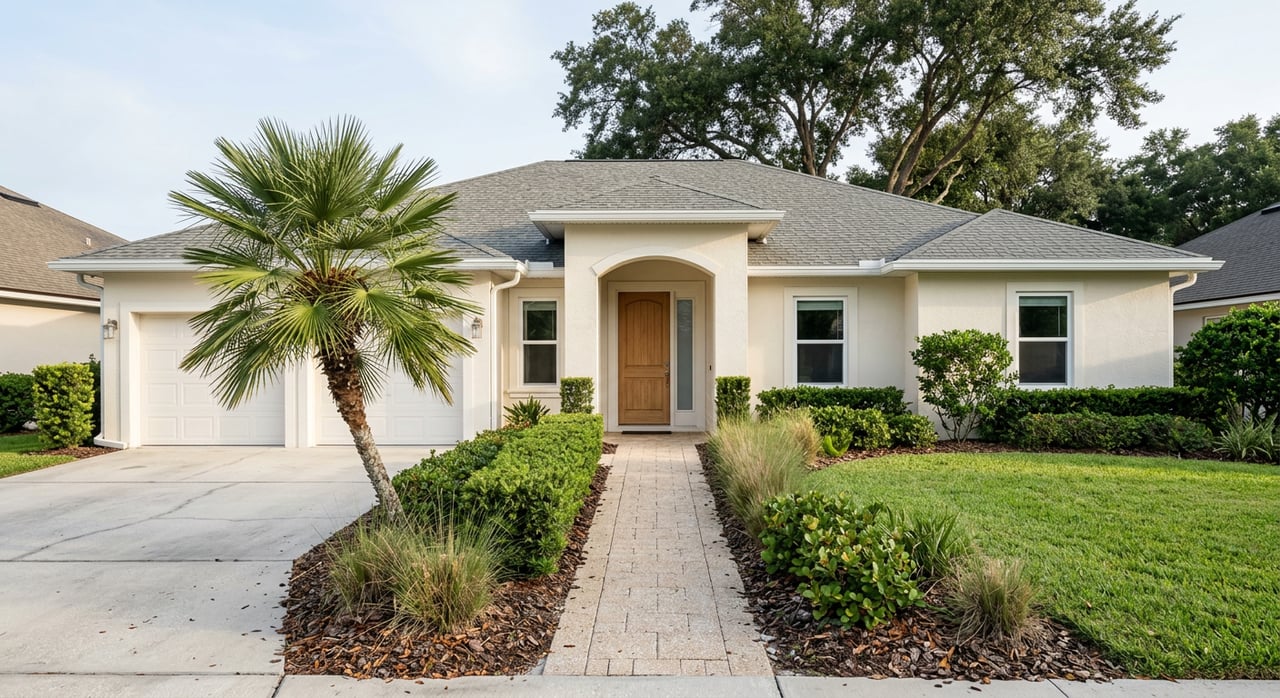
You will see a mix of mid-century ranch homes, 1980s to 2000s single-family subdivisions, and some newer infill builds. Lots lean more suburban than waterfront, with practical layouts and straightforward yard care.
HOA snapshot
Older pockets may have low or no HOA, while newer subdivisions are more likely to include formal HOAs with community features. If you want fewer restrictions, target established streets. If you want amenities and common-area upkeep, look at newer sections.
Parks and shopping
Expect neighborhood parks and convenient local shopping nearby. Larger retail options are a short drive away along regional commercial corridors.
Who it fits
Choose this area if cutting travel time to I-4 ranks above waterfront access or historic charm. It is a good match if you want value, simple commuting, and dependable suburban housing.
Central DeBary
Commute and access
From a central base, you get balanced access. It is not the closest to I-4, but major connectors are still straightforward. The tradeoff is easy access to DeBary’s in-town amenities while keeping commutes manageable.
Homes you will find
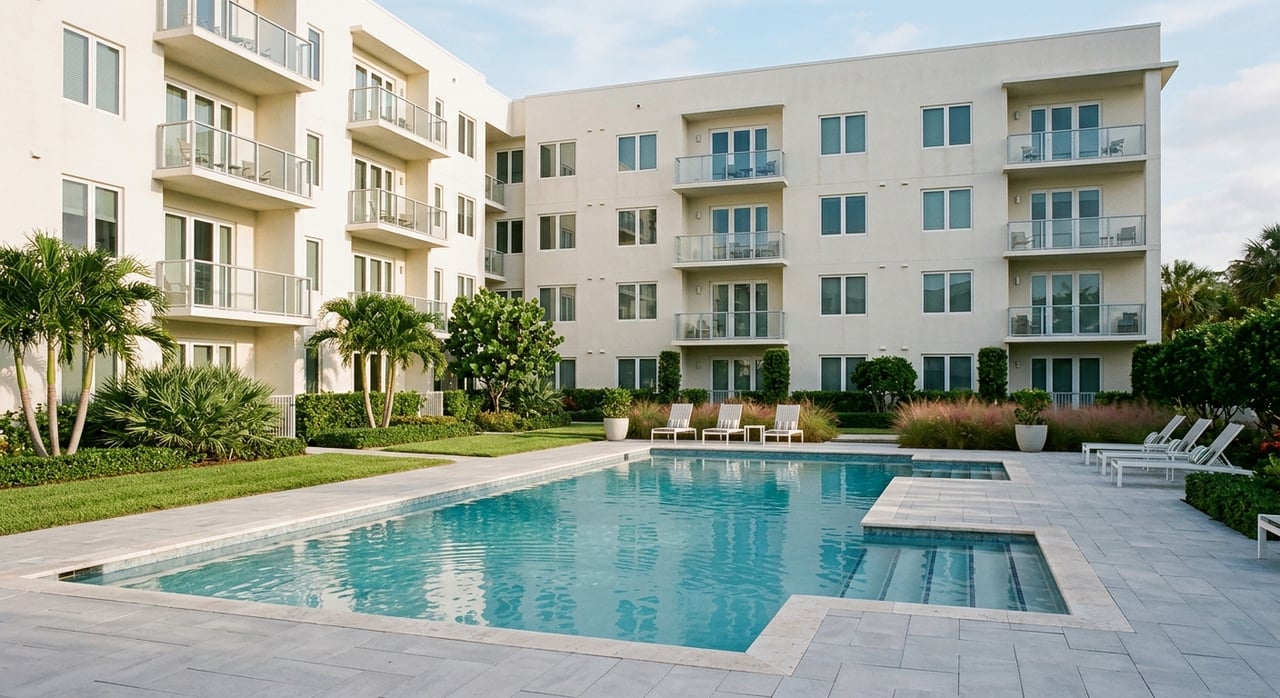
Expect a blend of established single-family neighborhoods, some townhomes, and pockets of waterfront properties near lakes or river corridors. Closer to landmark sites, you may also find some homes with historic character.
HOA snapshot
You will see a mix of HOA and non-HOA streets. Many established areas have fewer restrictions than newer gated communities. Always verify covenants and any HOA fees before you write an offer.
Parks and shopping
Gemini Springs Park stands out with trails, springs, picnic areas, and access for paddling. The DeBary Hall Historic Site offers a local cultural experience and green space. Everyday shopping and groceries are an easy drive, with larger retail options in nearby cities.
Who it fits
If you want recreation and community amenities nearby without giving up a reasonable I-4 commute, Central DeBary offers a balanced lifestyle.
East DeBary and Lake Monroe Waterfront
Commute and access
Waterfront living along Lake Monroe and the St. Johns River brings a lifestyle premium and a slightly different commute profile. Roads here can be less direct and narrower. You may face a longer hop to the quickest I-4 feeders, and bridges or limited crossings can concentrate traffic at peaks.
Homes you will find
Single-family homes with docks are common, and you will see both ranch and two-story styles. Waterfront views and boat access often carry a higher price point compared to non-waterfront streets.
HOA snapshot
Some waterfront subdivisions have HOAs that manage shared shoreline or dock matters. Fees and rules can vary widely, so review documents closely, especially if you plan to keep a boat.
Parks and shopping
You will be close to boat ramps and riverfront parks, with everyday shopping a short drive inland to commercial corridors.
Who it fits
Pick this area if water access and views top your list and you are comfortable with a slightly longer or less direct route to I-4. Weekend boaters and outdoor enthusiasts often find the tradeoff well worth it.
Northwest DeBary and Edge Areas
Commute and access
These sections include rural-feeling pockets and newer master-planned neighborhoods near the city’s edges. Commute ease varies by exact location. Some streets connect quickly to regional roads, while others require longer local drives before you reach primary arterials.
Homes you will find
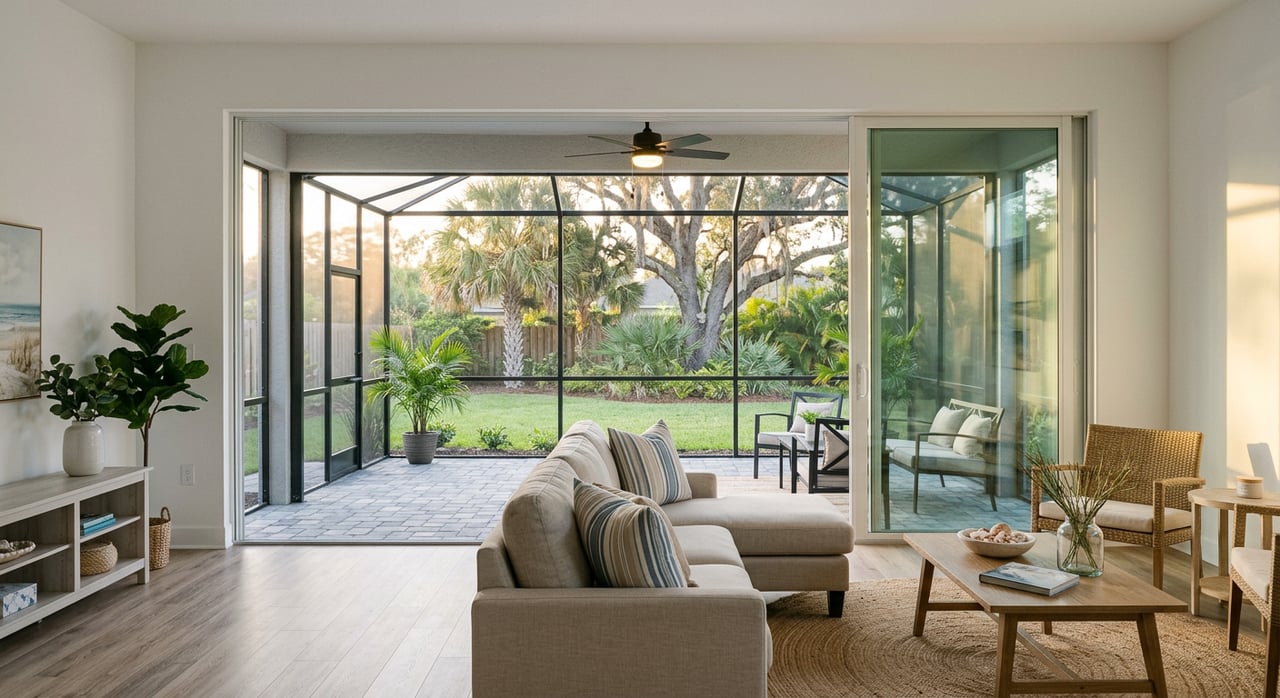
You will see newer construction, larger lots in places, and builder communities with modern floor plans. If you want a home that feels turnkey with contemporary layouts, start here.
HOA snapshot
Master-planned communities often have active HOAs and shared amenities like pools, playgrounds, and gated entries. Budget and bylaws can differ between communities, so compare details.
Parks and shopping
For day-to-day needs, local amenities are within subdivisions or a short drive. For big-box and specialty shopping, plan on using nearby cities.
Who it fits
If you value space, modern finishes, and neighborhood amenities while still needing a reasonable I-4 connection, this zone can hit the sweet spot.
Buyer due diligence checklist
A little homework up front makes your commute and lifestyle more predictable. Use this checklist during your search and inspection period.
HOA essentials
- Confirm if the property has an HOA and review all covenants, conditions, and restrictions.
- Clarify monthly or annual fees and what they cover, such as roads, landscaping, amenities, and reserves.
- Ask about rental rules and minimum lease terms if you plan to rent or invest.
- Check pet, vehicle, and exterior modification policies.
- Request recent budgets, meeting minutes, reserve studies, and any special assessment history.
Commute checks
- Run drive-time tests during your actual peak hours, both morning and evening.
- Identify viable alternate routes in case of crashes or construction.
- Ask about planned road improvements that could change drive times.
- Look into park-and-ride, carpool options, or county transit that may shorten or simplify your commute.
Flood and insurance steps
- Review FEMA flood maps and local elevation, especially near rivers, lakes, and low-lying areas.
- Ask sellers for past insurance costs and consult local insurance agents early for estimates.
- Confirm wind and hurricane mitigation features and code updates that can affect premiums.
Schools and local services
- Verify school assignments through official county sources if that matters to your household.
- Map the distance to medical care, grocery stores, child care, and emergency services to understand your daily routine.
Lifestyle highlights to consider
- Gemini Springs Park: A go-to for trails, springs, picnics, and time outdoors.
- DeBary Hall Historic Site: A local landmark with cultural programming and park-like grounds.
- Lake Monroe and the St. Johns River: Boating, fishing, and waterfront living are big draws.
- Regional access: In commuting range of Orlando employment centers, airports, and attractions, plus Daytona Beach for events and Atlantic coast recreation.
Choosing your best-fit area
If pure commute speed is your priority, start in South and Southwest DeBary. For a balanced mix of recreation and reasonable drive times, Central DeBary is appealing. If you crave waterfront living and are okay with a slightly longer route, East DeBary near Lake Monroe delivers the lifestyle you want. For newer homes and community amenities, look to the Northwest and edge neighborhoods, and confirm how each specific address connects to the main roads you will use daily.
Your final choice should weigh three things side by side: your actual peak-hour drive, the home types you prefer, and any HOA rules that affect how you live. With a bit of testing and clear priorities, you can land in a DeBary neighborhood that fits your commute and your lifestyle.
Ready to compare options and test drive routes in real time? Reach out to Megan Guerrero for local guidance, live-drive planning, and neighborhood-by-neighborhood insight across DeBary and coastal Volusia.
FAQs
Which DeBary area has the fastest I-4 access for commuters?
- South and Southwest DeBary often offer the quickest reach to major feeder roads, but you should verify with live drive tests at your specific commute times.
Are there DeBary waterfront neighborhoods with reasonable commutes?
- Yes, East DeBary along Lake Monroe offers water access with slightly longer or less direct routes, which many buyers accept for the lifestyle benefits.
How common are HOAs in DeBary neighborhoods near I-4?
- Newer or master-planned communities often have active HOAs with amenities, while many older established areas have low or no HOA; always review CC&Rs and fees.
What commute checks should I do before buying in DeBary?
- Drive routes during AM and PM peaks, map alternates, ask about planned road projects, and review park-and-ride or county transit options that could simplify your trip.
What should I know about flood risk near Lake Monroe and the St. Johns River?
- Check FEMA flood maps and elevation, budget for possible flood insurance, and consult insurance agents early to understand coverage and costs.
Can I rely on transit for commuting from DeBary?
- County bus service exists and regional commuter options change over time, so confirm current routes, stations, and schedules before you plan a multi-modal commute.