Picture starting your day with a sunrise stroll on soft sand, grabbing coffee near the pier, then easing into an afternoon on the river or at a gallery opening. If you want a laid-back coastal routine with real community and plenty to do, New Smyrna Beach might be your spot. In this guide, you’ll learn how daily life flows here, where people live and play, what homes look like, and the logistics that matter. Let’s dive in.
New Smyrna Beach at a glance
New Smyrna Beach is a small coastal city in Volusia County with a mix of year-round residents, retirees, seasonal visitors, and second-home owners. You’ll feel an active surf culture, a friendly arts scene, and a walkable beachside core that gets livelier during tourist season. Many locals balance the beach lifestyle with work in nearby cities, small businesses, and hospitality.
Neighborhoods and where you’ll spend time
Beachside and Flagler Avenue
Flagler Avenue is the heart of the beachside scene. You’ll find restaurants, bars, coffee shops, galleries, and boutique retail within steps of the ocean. Many condos and vacation rentals cluster here, so the energy picks up on weekends and holidays. Beach access points line the barrier island along A1A. Parking can be tight on busy days, and some lots are metered or paid, so plan ahead.
Historic core and riverfront streets
Across the causeway, the Canal Street area and nearby historic districts offer tree-lined streets, older cottages, and easy access to the riverfront. Old Fort Park anchors a pocket of local history and walkable blocks. You can live a quieter residential life here while staying close to downtown shops and weekly events.
Master-planned and newer communities
On the Intracoastal and inland side, Venetian Bay stands out as a master-planned community with mixed housing and a town-center feel that includes dining and services. You’ll also find newer subdivisions with single-family homes, yard space, and calmer streets, which appeal if you want a little distance from beach-season traffic.
Beach access and simple rules
You’ll have miles of Atlantic shoreline to enjoy, with access points throughout the island. Rules vary by location, including dog restrictions, leash requirements, parking, and smoking policies. Always check the posted signs or the city and county guidance for the specific access point you plan to use.
Parks, boardwalks, and boat ramps
Smyrna Dunes Park is a local favorite with elevated boardwalks, panoramic views of the inlet, and space to walk, birdwatch, and enjoy the breeze. Entrance and parking fees may apply. Along the river and Intracoastal, you’ll find public boat ramps, marinas, and fishing spots. It is easy to switch from beach time to boating within the same day.
Lifestyle: surf, arts, and everyday rhythm
Surfing and water sports
New Smyrna Beach is known for consistent surf. You’ll see surfers, paddleboarders, and bodyboarders in the lineup most mornings. The area records more reported shark bites than many U.S. beaches, usually minor and non-fatal. Follow lifeguard advisories and posted warnings, and always use common-sense water safety.
Dining, bars, and small shops
You’ll find casual seafood spots, coffee houses, and a few craft breweries around the beach and downtown. Independent shops and galleries line Flagler Avenue and adjacent streets. For larger-format shopping or specialty retail, most residents take a short drive to Daytona Beach or Port Orange.
Arts and seasonal events
The arts scene is active, with galleries, studios, and community programming supported by organizations like the Atlantic Center for the Arts. Seasonal art festivals, outdoor concerts, and markets dot the calendar, especially in winter and spring. Summer brings heat and humidity, and some venues run a quieter schedule.
A day that feels like vacation
- Morning: Beach walk or surf check by Flagler Avenue, then coffee near the ocean.
- Midday: Boat or paddle on the Intracoastal, or grab lunch at a waterfront spot.
- Evening: Sunset stroll on the sand or a boardwalk, live music downtown, and fresh seafood for dinner.
Housing and what your money buys
Common home types
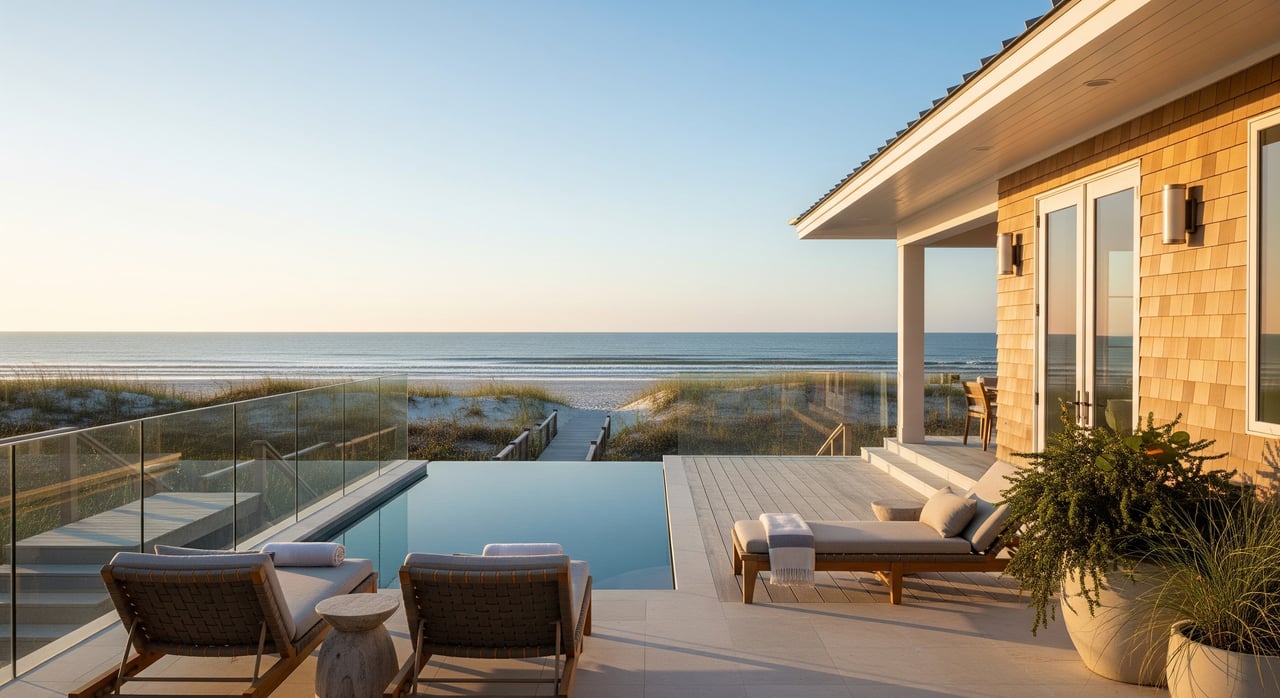
- Beachfront and near-beach condos and cottages, many set up for seasonal or vacation use.
- Historic single-family homes on smaller lots with mature trees near the river and downtown.
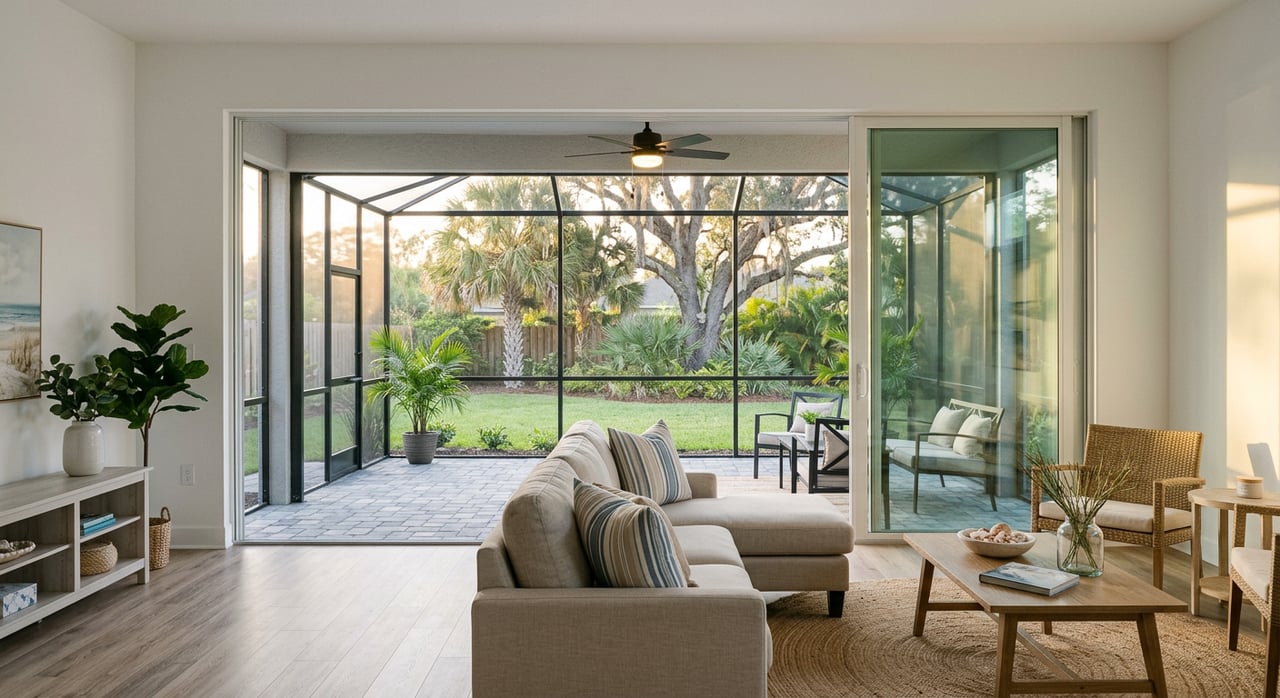
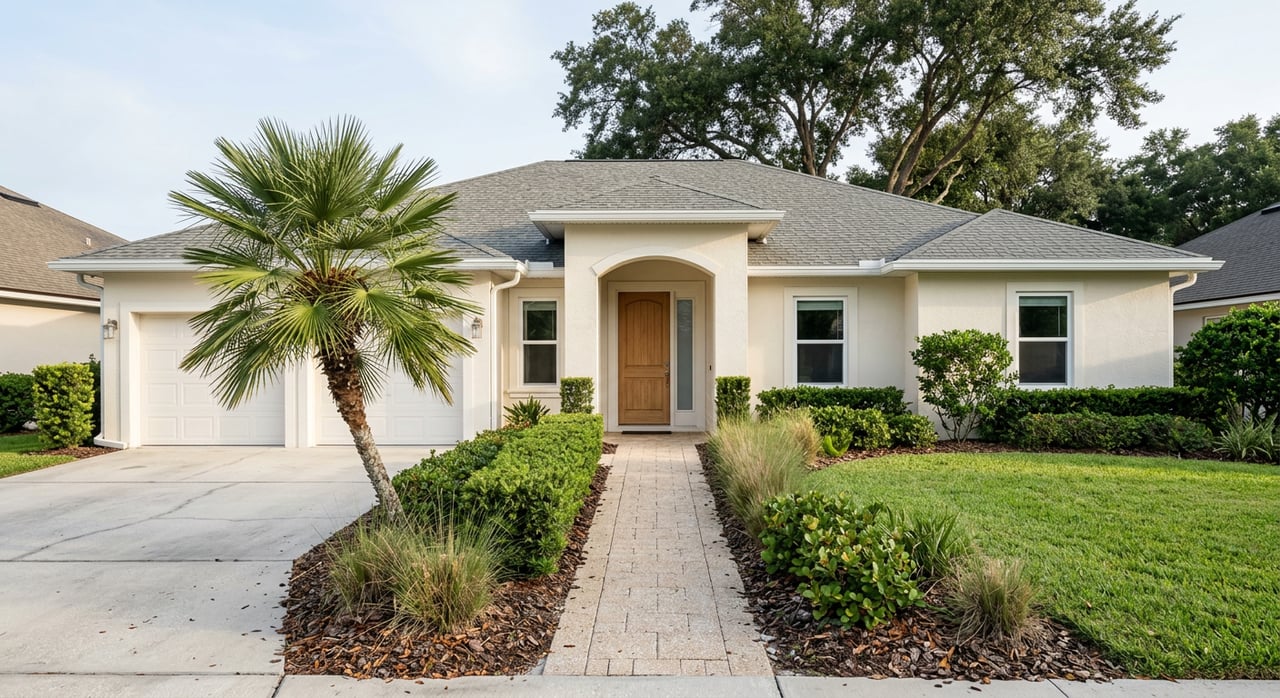
- Newer single-family subdivisions and planned communities with more modern layouts and yard space.
- Townhomes and riverfront condos, sometimes with marina access.
Market patterns to expect
Coastal addresses usually command a premium over inland areas. Waterfront and oceanfront properties, and communities like Venetian Bay with lifestyle amenities, tend to price higher. The market includes many second homes and short-term vacation rentals, which can influence inventory and long-term rental supply in some segments. For current median prices and inventory trends, local MLS reports and the Volusia County Association of Realtors are your best sources.
Short-term rentals and HOA rules
Short-term rentals are common in New Smyrna Beach, but they are regulated. City ordinances and HOA or condo documents may set registration and licensing requirements, occupancy limits, parking standards, and noise rules. These are actively enforced in many beach communities. If you are buying with rental income in mind, review the city rules and any community covenants before you make an offer.
Taxes, insurance, and flood considerations
Florida has no state income tax, which can benefit retirees and remote workers. Property taxes are set by Volusia County and local taxing authorities, and a homestead exemption may be available if you qualify. Coastal properties often come with higher homeowner and wind or hurricane insurance costs. Flood risk varies by neighborhood and FEMA flood zone designation, and separate flood insurance may be required by your lender. These factors can materially affect your monthly costs, so get insurance quotes and review flood maps early in your search.
Practical life: schools, healthcare, and getting around
Schools overview
Public schools are part of Volusia County Schools, with several elementary and middle schools serving zones around the city and at least one public high school carrying the city name. Private options exist in the region. School zones and performance data can change, so verify assignments and current information before you buy.
Healthcare and emergency services
You’ll find primary-care providers and urgent care clinics in town. Full-service hospitals and specialty care are nearby in larger Volusia County cities such as Daytona Beach. Local police and fire departments serve New Smyrna Beach, with seasonal staffing and event support during peak tourism periods.
Transportation and commute
Most residents use a private vehicle. A1A runs along the barrier island, while U.S. 1 and State routes connect to I‑95. Typical drive times are about 20 to 30 minutes to Daytona Beach and roughly 1 to 1.5 hours to Orlando, depending on traffic and route. Daytona Beach International is the closest regional airport, and Orlando International is the major gateway within driving distance. Votran provides county bus service, though routes and schedules vary.
Climate and storm season
Expect a humid subtropical climate with hot, humid summers and mild winters. Hurricane season runs June through November, with highest historical risk in late summer and early fall. Coastal flooding and storm surge are important considerations for low-lying areas. Long term, sea level rise and nuisance flooding are part of the due diligence for coastal living.
Utilities and connectivity
Electricity is typically provided by major Florida utilities, and the city manages water and sewer services. Broadband is available from national providers, though fiber and cable options can vary by neighborhood. Cellular coverage is generally strong near the coast, with potential variability in more remote river or marsh-edge areas.
Safety and common-sense tips
Visitor-related property crime, such as theft from vehicles, can be more common in peak seasons. Lock your car, secure bikes and boards, and follow posted rules at parks and beaches. For current trends by area, check official police department statistics and neighborhood-level maps.
Is New Smyrna Beach a fit for you?
You’ll enjoy living here if you value an easy coastal rhythm, active time outdoors, and a community that blends locals with seasonal visitors. Beachside neighborhoods and Flagler Avenue offer walkability and energy, while historic districts and inland communities provide calmer streets and more yard space. The lifestyle is relaxed, but the practical side matters, including parking near the beach, seasonal crowds, and insurance and flood planning. If that balance sounds right, New Smyrna Beach delivers a lot of daily joy.
How we help you land the right home
Choosing the right neighborhood in a coastal city takes local insight. You want clarity on beach access, parking realities, short-term rental rules, HOA covenants, flood zones, and true commute times. You also need clear numbers on ownership costs and a negotiation strategy that fits this market’s mix of primary homes and vacation properties.
With a relationship-first approach and modern tools, our team helps you:
- Zero in on homes that match your lifestyle, from beachside condos to family-friendly subdivisions.
- Understand short-term rental potential and local regulations before you buy.
- Compare insurance quotes and flood considerations early in the process.
- Navigate new construction options and evaluate value across coastal Volusia County.
Ready to explore homes or get a pulse on the market? Connect with Megan Guerrero to schedule a free consultation or get your free home valuation today.
FAQs
What is the overall vibe in New Smyrna Beach?
- A laid-back coastal city with an active surf culture, a visible arts scene, and a walkable beachside core that gets busier during tourist season.
Which areas are closest to the beach for daily walks?
- Beachside neighborhoods near Flagler Avenue put you steps from the sand, while historic districts near the river are a short drive or bike ride, with parking varying by access point.
How strong is the surf and what about safety?
- Surf is consistently good for beginners and experienced riders, and the area records more reported shark bites than many U.S. beaches, so follow lifeguard advisories and posted warnings.
What are typical commute times to nearby cities?
- You can expect roughly 20 to 30 minutes to Daytona Beach and about 1 to 1.5 hours to Orlando, depending on traffic and route.
Are short-term rentals allowed in New Smyrna Beach?
- Short-term rentals are common but regulated, and city rules and HOA or condo covenants may require registration, set occupancy and parking limits, and enforce noise standards.
What are the main home types I’ll find?
- Options include beachfront condos and cottages, historic single-family homes, newer subdivisions, and townhomes or riverfront condos with possible marina access.
What should I plan for in insurance and flood risk?
- Coastal homes often carry higher homeowner and wind or hurricane premiums, and separate flood insurance may be required based on FEMA flood zones, so get address-specific quotes early.
What is the climate and when is hurricane season?
- The climate is humid subtropical with hot summers and mild winters, and hurricane season runs June through November with the greatest historical risk in late summer and early fall.
Where do residents shop for everyday needs?
- Groceries and essentials are available in town, while many residents drive to Daytona Beach or Port Orange for larger-format or specialty shopping.