Hoping to live near the water without beach‑town prices? Edgewater offers a practical path to coastal living with access to the Indian River Lagoon and a range of home types that fit different budgets. If you’re weighing value, timing, and risk, you’re in the right place. You’ll learn how Edgewater’s market behaves, which metrics matter, how to read comps, and what to check for insurance, flood zones, and utilities. Let’s dive in.
Why Edgewater appeals to buyers
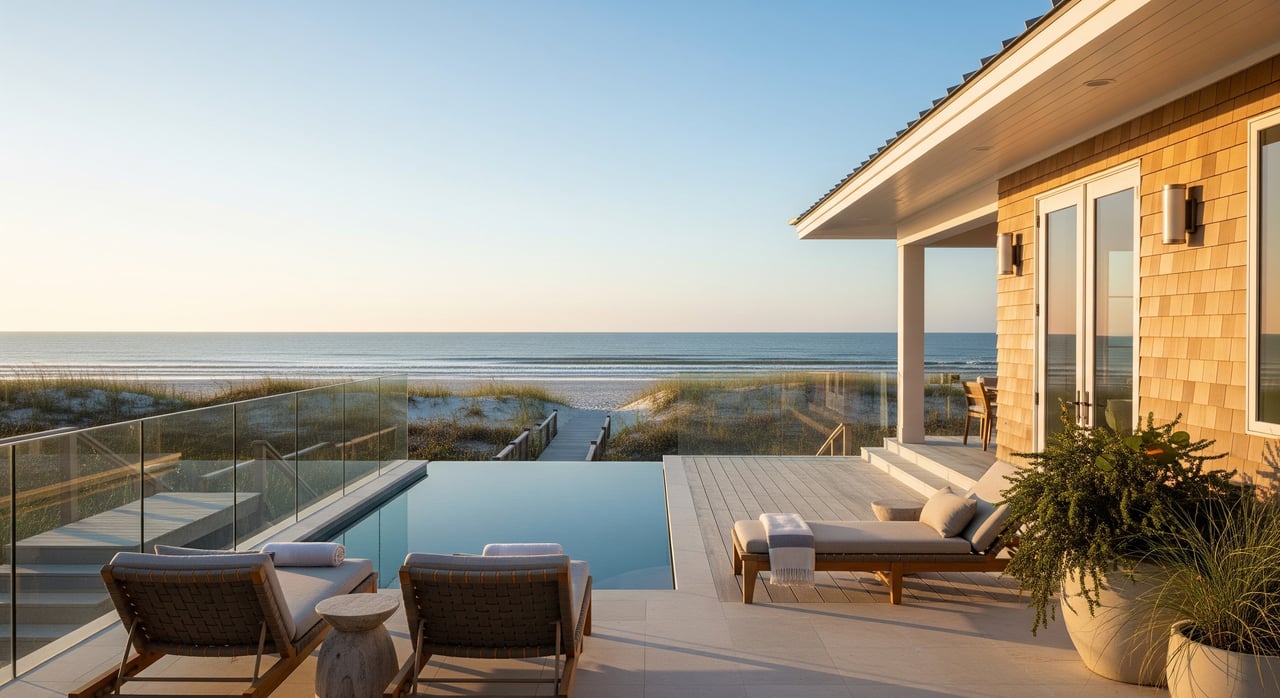
Edgewater sits on the mainland across from New Smyrna Beach, so you get river access and a relaxed coastal vibe at generally lower entry prices than barrier‑island towns. Waterfront and canal properties command premiums for views, boating, and docks, while inland single‑family homes and manufactured communities can be more budget‑friendly. Seasonal waves of buyer activity, especially late winter through spring, shape inventory and competition. Your experience will vary based on whether you shop in peak season or during a slower period.
Current market snapshot: what to watch
You’ll make better decisions by tracking a few key stats before you write an offer:
- Median sale price and the 12‑month trend
- Active inventory and months of supply
- Median days on market (DOM)
- List‑to‑sale price ratio (final sale price divided by last list price)
- Price per square foot by submarket (waterfront vs inland)
- Share of cash vs financed sales and the role of new construction
Use recent closed sales for the most reliable read, then compare to current actives to gauge competition. Seasonality matters, so consider how late‑winter and spring activity might affect days on market and pricing on the homes you like.
Typical homes and what they mean for price
Single‑family resale
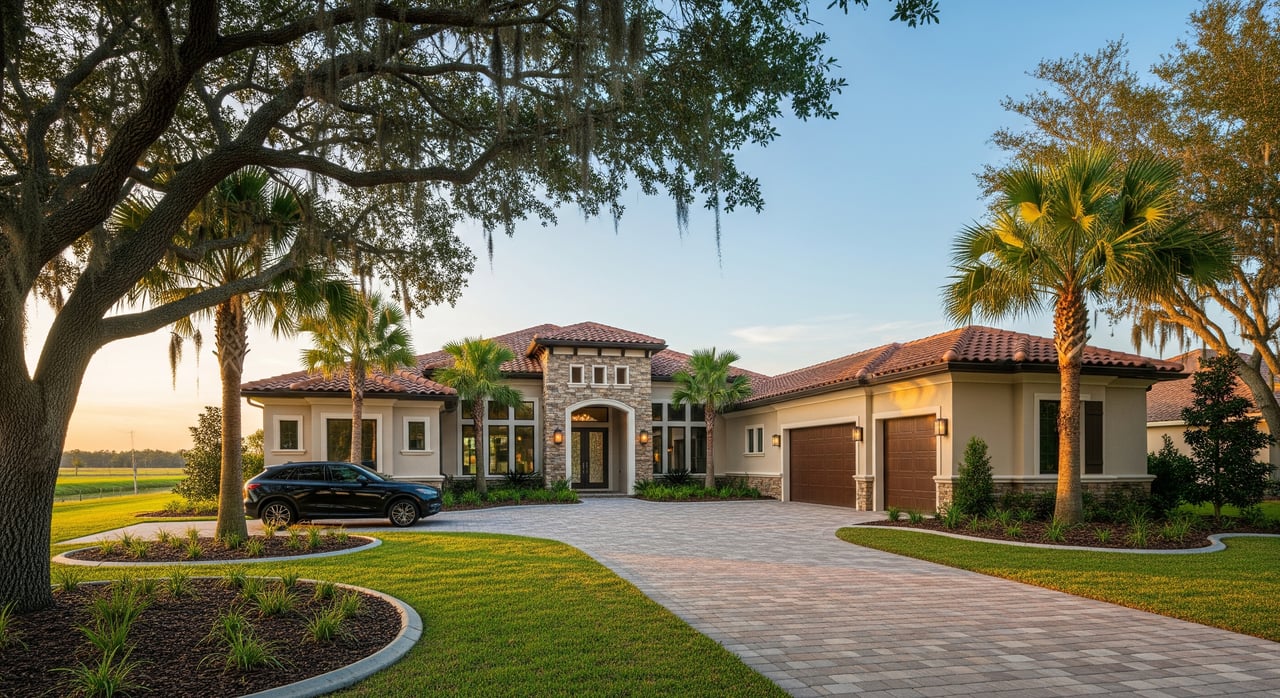
This is the most common option, ranging from modest ranch homes to renovated coastal cottages and newer subdivisions. Condition, roof age, HVAC, and window upgrades can shift value quickly. Newer homes on municipal sewer tend to simplify inspections and financing.
Riverfront and canal homes
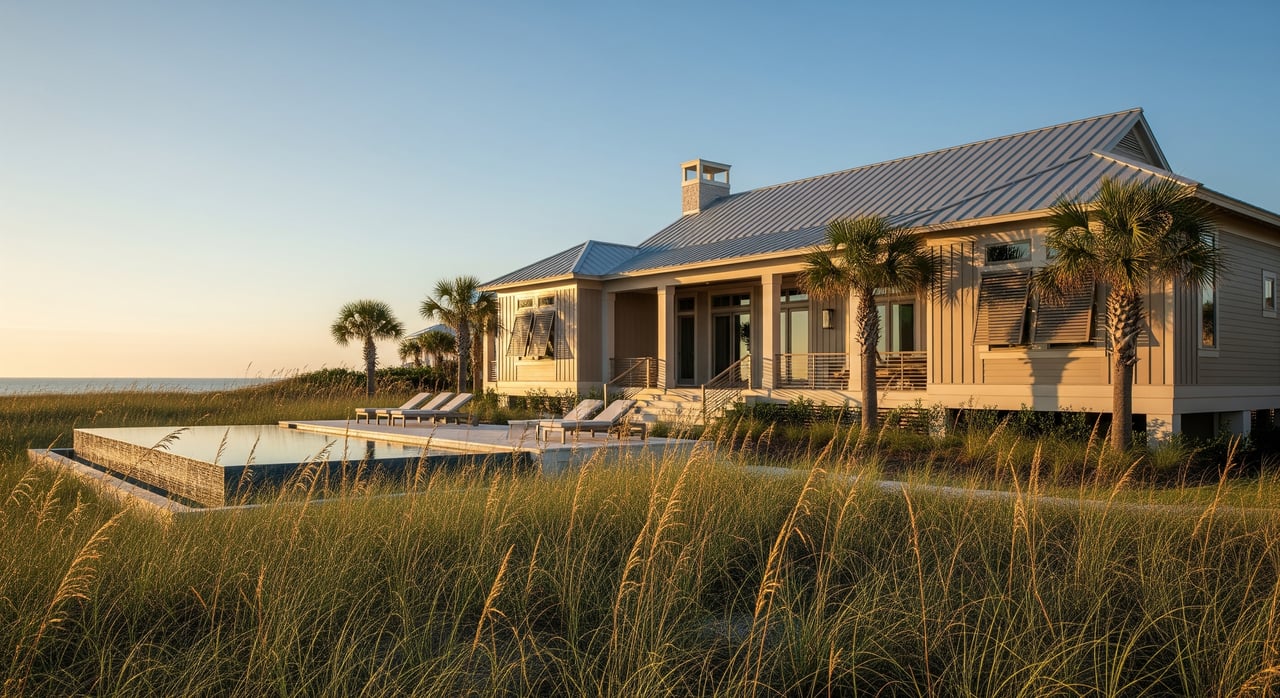
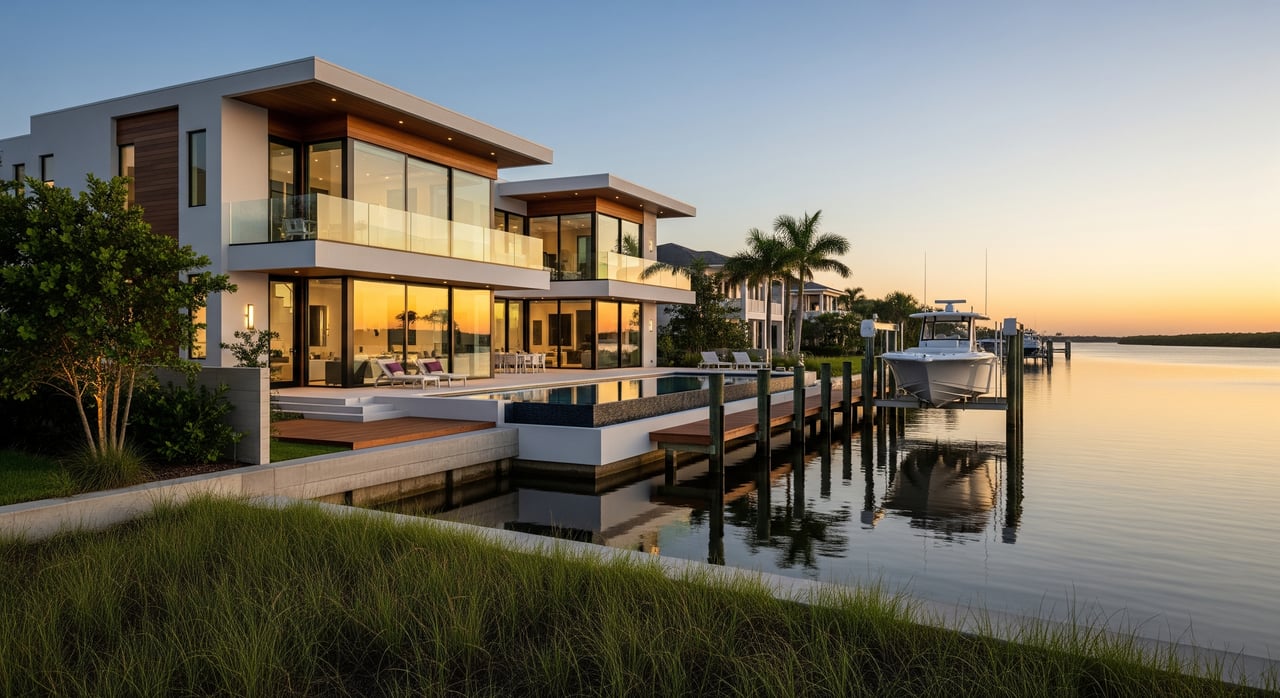
These properties carry premiums for water views, deep‑water access, and dock or boathouse features. Values vary widely based on view quality, canal versus direct river access, and the condition of seawalls and docks. Flood zone, elevation, and insurance quotes play an outsized role in affordability.
Manufactured and mobile homes
Often the lowest entry cost, with different financing and insurance considerations than site‑built homes. Lender requirements and park or community rules can affect timing and costs. Confirm land ownership versus lot rent early in your process.
Condos and townhomes
Less common than single‑family homes but available in several pockets. HOA fees, condo insurance, and potential assessments need a careful review. Ask for association documents and budget reserves to understand future costs.
Vacant lots
Buildable waterfront lots are limited and require extra diligence. Check elevation, utilities, flood zones, and seawall condition where applicable. On the mainland, utility access and drainage can materially affect build costs.
How to read comps in Edgewater
A solid comparative market analysis (CMA) helps you avoid overpaying and strengthens your offer strategy.
Start with the right sales
- Time window: focus on sales from the last 3 to 6 months. Stretch to 6 to 12 months only if inventory is thin.
- Geography: start within the same neighborhood or a 0.5 to 1.0‑mile radius. For waterfront, compare only to waterfront with similar access.
- Property type and size: match stick‑built to stick‑built, and manufactured to manufactured. Keep living area within 10 to 15 percent and bedrooms within plus or minus one.
Make thoughtful adjustments
- Waterfront vs inland: expect a meaningful premium for direct river or canal access, especially with views and docks.
- Dock and boatlift: adds value for boating buyers; absence reduces value relative to similar waterfronts.
- Condition and renovations: kitchens, baths, roof, windows, and HVAC carry real dollar impacts on value and marketability.
- Flood mitigation: elevated foundations, flood vents, and recent elevation work can improve perceived value and lower insurance.
- Lot features: larger or finger‑canal lots, privacy, and orientation can change price per lot more than price per foot.
Use the right metrics
- Price per finished square foot for similar homes
- Dollar adjustments for features like pools, garages, docks, and views
- List‑to‑sale ratio to understand how often sellers accept at or above list price in your micro‑market
When inventory is thin, carefully widen your search area and time frame, then adjust more conservatively. Use active listings to set expectations, but lean on closed sales for pricing.
Days on market and offer strategy
DOM shows how long a home takes to go under contract. Very short DOM can signal strong demand and potential bidding, while longer DOM may point to overpricing or a seasonal slowdown. Watch for relists that reset DOM and use the original list date to avoid being misled.
A list‑to‑sale price ratio near or above 100 percent suggests a seller‑favored environment. Ratios under 98 percent indicate more room to negotiate. Renovated or standout waterfront homes can exceed list price when inventory is tight, so be ready with financing terms if you love a property.
Negotiation considerations
- Financing and appraisal: in competitive pockets, appraisal gaps can show strength. Know how appraisers treat waterfront and renovations locally.
- Inspection and flood: include clear contingencies for structural, roof, and wood‑destroying organisms, and coordinate septic or well inspections if needed.
- Cash offers: cash and flexible timelines stand out, especially for premium waterfront or newly renovated homes.
- Seasonal timing: off‑peak months can provide more leverage on price and terms.
Insurance, flood, and utilities
Edgewater’s proximity to the Indian River Lagoon means flood zones are part of many searches. Check FEMA flood maps and county GIS for your property’s designation, and get early insurance quotes to understand total carrying costs. Elevation certificates, wind mitigation features, shutters or impact windows, and recent roof work can influence premiums.
Older neighborhoods may use septic systems, which often require inspection and may need updates for lender approval. Newer subdivisions are typically on municipal sewer, which can simplify due diligence. Ask early about utilities, sewer connection, and any recent system upgrades.
For taxes, Florida’s homestead exemption can reduce the taxable value of a primary residence by up to $50,000 for qualified owners. Millage rates vary by district, so review parcel‑level details with county resources. If you are thinking about short‑term rentals, confirm Edgewater and Volusia County rules before assuming income potential, including any registration or occupancy requirements.
Smart buyer checklist
- Review recent closed sales for price, DOM, and list‑to‑sale ratios in your target micro‑market.
- Separate waterfront comps from inland comps and adjust for docks, views, and access.
- Get early homeowner and flood insurance quotes and request any elevation certificates.
- Confirm flood zone, utility type, and sewer vs septic.
- Plan inspections for roof, structure, termites/wood‑destroying organisms, and, if applicable, dock, seawall, and bulkhead.
- Ask for seller disclosures and any permits for recent work.
- If considering rentals, verify local short‑term rental regulations and HOA rules.
Work with a local advisor
Buying in Edgewater is about more than price per foot. It is about reading seasonal patterns, separating waterfront premiums from inland value, and getting ahead of insurance and flood details. With local guidance and the right data, you can buy with confidence and enjoy the coastal lifestyle you want.
If you want a clear plan tailored to your goals, connect with Megan Guerrero for a friendly, no‑pressure consultation.
FAQs
What metrics should I track before buying in Edgewater?
- Focus on median sale price, active inventory, months of supply, median days on market, list‑to‑sale price ratio, and price per square foot by submarket.
How do waterfront premiums work in Edgewater?
- Premiums vary with direct river or canal access, view quality, and dock or boatlift features; use recent waterfront sales for the most accurate comparisons.
What does days on market tell me in this area?
- Short DOM often signals strong demand and potential bidding, while longer DOM can reflect overpricing or a seasonal slowdown; watch for relists that reset DOM.
How can I estimate insurance and flood costs?
- Ask for elevation information, check flood zones, and get early quotes for homeowner and flood policies; wind mitigation and roof age can reduce premiums.
Are manufactured homes easy to finance in Edgewater?
- Financing is available but differs from site‑built homes; confirm lender requirements, park or community rules, and insurance options early in the process.