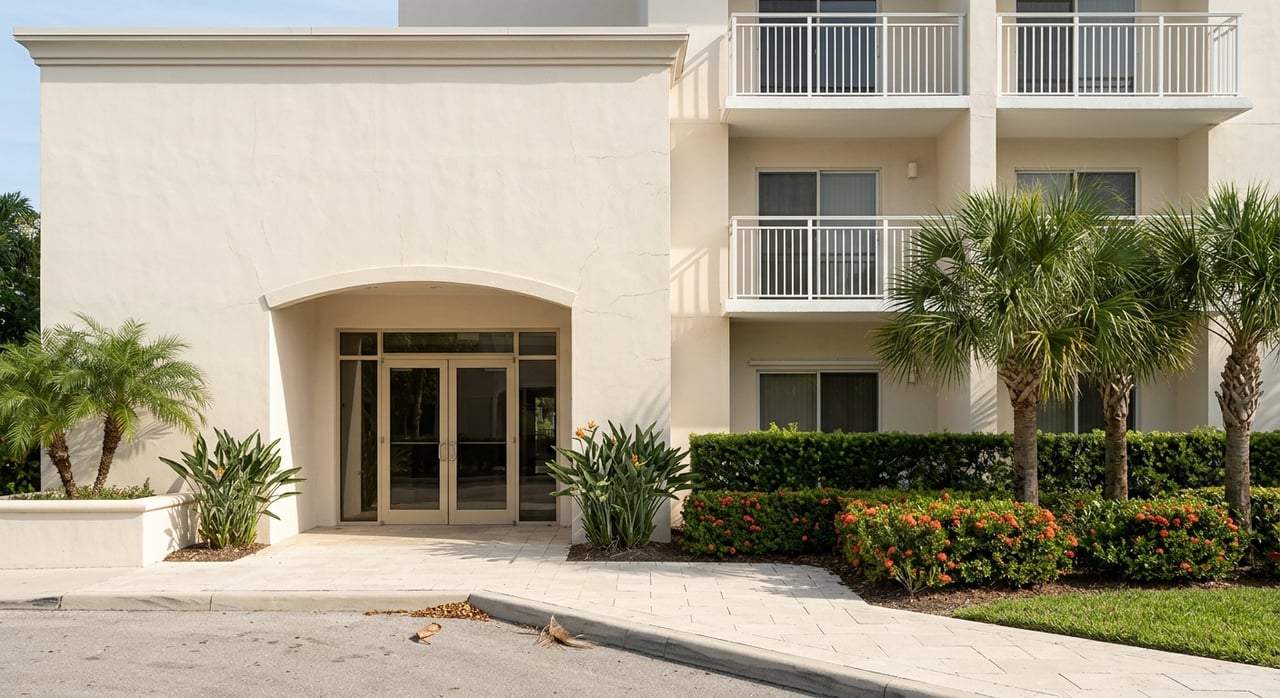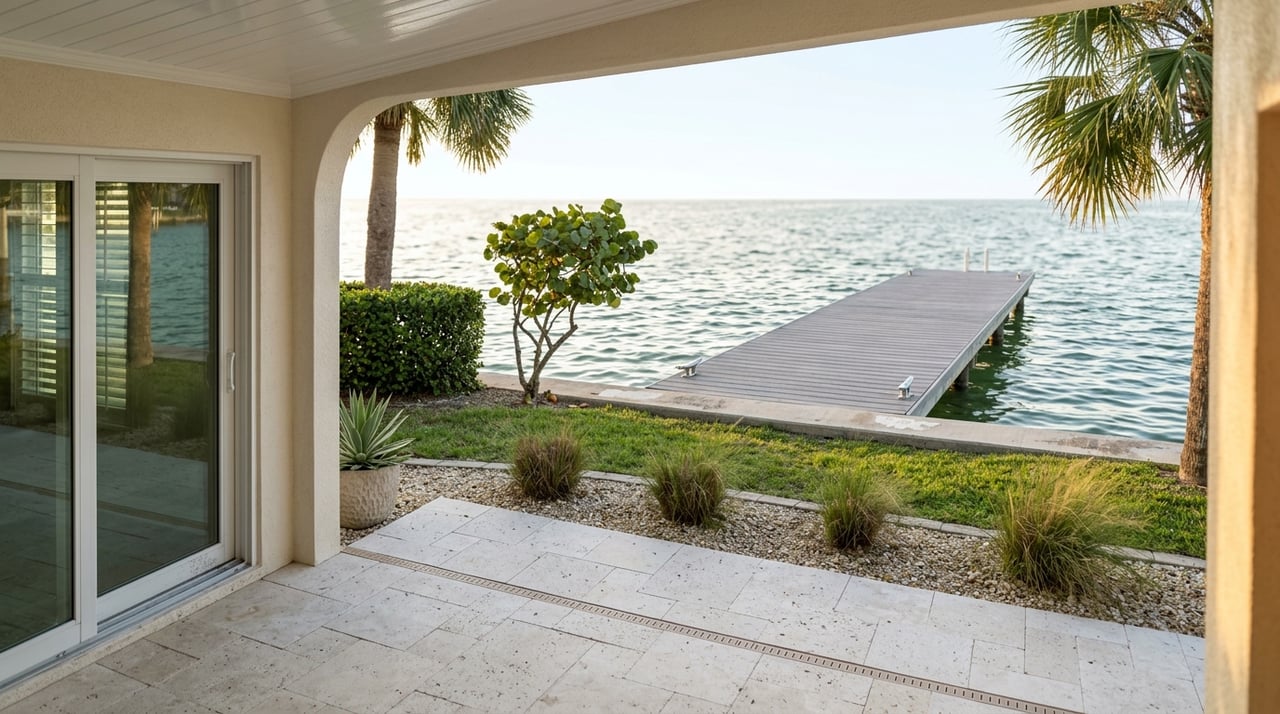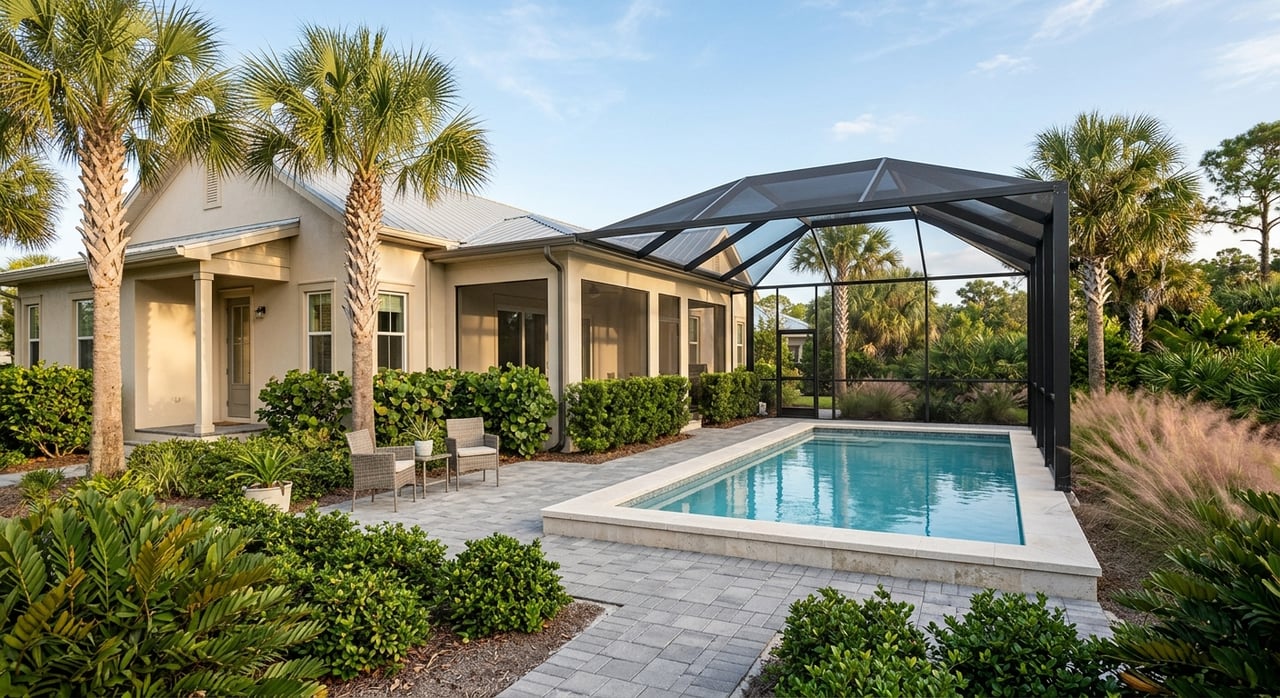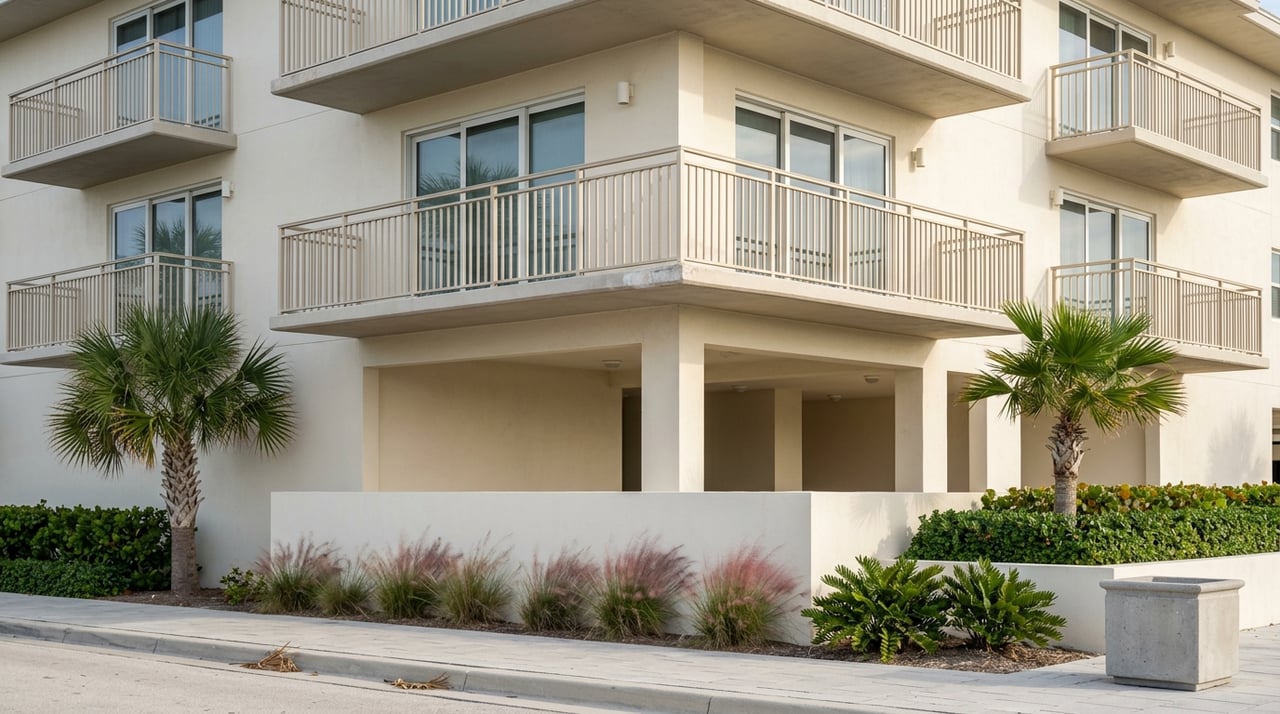
Buying a condo in Daytona Beach is not just about the view from the balcony. You are also buying into the building, the condo association, and the financial and structural health behind the address. If you want to make a smart move, you need to look beyond the unit itself and understand what to review before you close. Let’s dive in.
Why the building matters
In Daytona Beach, evaluating a condo building is especially important because coastal location, building age, and association planning can all affect your costs and peace of mind. A beautiful unit can still come with future repairs, rising fees, or special assessments if the building has not kept up with inspections and reserves.
That is why your review should cover three big areas: structural condition, association finances, and day-to-day building rules. When you compare buildings this way, you can make a much more confident decision.
Check building age and inspection status
One of the first questions to ask is the building’s certificate of occupancy date. In Florida, the timing for milestone inspections is measured from that date, not from when the project was first planned or marketed.
For Daytona Beach buyers, this matters even more near the coast. Volusia County guidance says buildings within three miles of the coastline are due for milestone inspections at 25 years and every 10 years after that, rather than the general 30-year timeline used elsewhere.
What milestone inspections cover
A milestone inspection is a structural inspection for Florida residential condominium buildings and cooperatives that are three or more habitable stories high. If a Phase 2 milestone inspection finds substantial structural deterioration, the building owner must begin repairs within 365 days unless the local government requires an earlier start.
That does not automatically mean you should walk away from a building. It does mean you should understand the findings, what repairs were recommended, and whether the association has acted on time.
Ask for these inspection details
When you are reviewing a Daytona Beach condo building, ask:
- What is the certificate of occupancy date?
- Is the building subject to the 25-year coastal milestone timeline?
- Has the milestone inspection been completed?
- If there was a Phase 2 report, were repairs started or completed on schedule?
- Can the seller or association provide the inspector-prepared summary of the milestone inspection report, if applicable?
These questions can quickly tell you whether the building is staying ahead of structural obligations or reacting late.
Review the SIRS carefully
Another key document is the structural integrity reserve study, often called a SIRS. In Florida, qualifying condominium buildings that are three habitable stories or higher must complete a SIRS at least every 10 years.
A SIRS looks at major components that affect structural integrity and long-term maintenance planning. That includes the roof, structure, fireproofing and fire protection systems, plumbing, electrical systems, waterproofing and exterior painting, and windows and exterior doors.
Why the SIRS matters to buyers
The SIRS helps you see whether the association is planning realistically for future repair and replacement costs. In practical terms, it gives you a clearer picture of whether today’s monthly fees are supported by real reserve planning or whether the building may face future financial pressure.
In some cases, a recent milestone inspection can be reused for the visual portion of a SIRS if it was completed within the past five years and meets SIRS requirements. That is another reason to compare inspection dates and documentation side by side.
Look closely at the budget and reserves
A condo association’s budget can tell you a lot about how the building is run. Florida law requires annual budgets to include reserve accounts for capital expenditures and deferred maintenance, including items such as roof replacement, building painting, and pavement resurfacing, along with other required reserve items above the statutory threshold.
For associations that are required to obtain a SIRS, reserve funding rules are stricter. If the building’s budget does not line up with its reserve study, that is a sign to ask more questions.
Warning signs in condo finances
As you compare Daytona Beach condo buildings, pay attention to these potential red flags:
- The reserve study is outdated
- The budget does not match the reserve schedule
- Reserve contributions were reduced or paused
- The association has recently relied on special assessments
- The association has used loans or lines of credit to cover repair work
These items should appear in the annual financial statement and the association’s official records. A pattern of short-term fixes can point to bigger long-term costs.
Documents buyers can request
For a resale condo in Florida, buyers are entitled to important disclosure documents before closing. These include:
- Declaration of condominium
- Articles of incorporation
- Bylaws and rules
- Annual financial statement
- Annual budget
- Inspector-prepared milestone inspection summary, if applicable
- Most recent SIRS, or a statement that one has not been completed
- Turnover inspection report, if applicable
- Condominium FAQ document
These are not just formalities. They are some of your best tools for comparing one building to another.
Review association records for maintenance history
If you want to understand how a building has really been maintained, look beyond the summary documents. Florida law says the association’s official records should include plans, permits, warranties, minutes, current insurance policies, accounting records, audits, SIRS documents, inspection reports, bids, and building permits.
Inspection reports must be retained for 15 years. That gives you a longer view of how the building has handled repairs, planning, and recurring issues.
What to look for in the records
As you review records, pay attention to patterns. Repeated discussions about water intrusion, waterproofing, exterior repairs, or delayed maintenance can be worth a closer look.
Meeting minutes can also help you spot upcoming projects or unresolved building concerns. If a building has had multiple repair bids or permit activity, that may simply show proactive maintenance, but it is still worth understanding the scope and cost.
Compare insurance and flood exposure
In Daytona Beach, insurance is a major part of condo due diligence. Florida law requires condominium associations to maintain adequate property insurance, and the board sets deductibles based on local factors like the building’s size, age, construction, and facilities.
The law also allows flood insurance for common elements, association property, and units. Florida’s condo disclosure language specifically warns that homeowners insurance does not cover flood damage.
Questions to ask about insurance
When comparing buildings, ask:
- What are the master policy deductibles?
- Is flood insurance in place for common elements or units?
- Is there a history of water intrusion?
- Has the building had exterior waterproofing work?
These questions matter because insurance structure and water exposure can affect both your monthly costs and your future risk.
Use parcel-level flood information
Flood exposure in Daytona Beach can vary from one parcel to the next. Volusia County’s FloodMap service identifies FEMA flood hazard zones throughout the county, which can help you understand a building’s location-specific flood context.
That means two condo buildings that seem similar on the surface may carry very different flood considerations. It is smart to compare location, insurance details, and building history together.
Make sure the rules fit your lifestyle
Even if the building is financially sound, it still has to work for your day-to-day life. In Daytona Beach, condo buildings can differ a lot in how they handle parking, pets, rentals, guest use, amenities, and access.
Do not assume the listing tells the full story. These details should be verified in the declaration, bylaws, and rules.
Focus on the rules that affect you most
If you plan to use the condo as a primary home, second home, or investment property, the building’s rules can shape your experience. You may want to compare:
- Pet restrictions
- Parking assignments or limits
- Rental limits or approval requirements
- Guest use rules
- Amenity access and hours
The goal is not just to buy a unit you like. It is to choose a building that fits how you plan to live in or use the property.
Think about the Daytona Beach location
Location matters at the building level too. Daytona Beach offers different lifestyle advantages depending on where a condo sits in relation to beach access points, beach-driving areas, and local gathering spots.
Official Daytona Beach visitor resources highlight features such as the Daytona Beach Bandshell, Main Street Pier, Riverfront Esplanade, Sun Splash Park, and beach access points along A1A. Comparing buildings by access to these areas can help you narrow down what works best for your routine and priorities.
A building near the ocean may offer one kind of convenience, while another may give you easier access to riverfront recreation or other parts of the city. The right fit depends on what matters most to you.
A practical Daytona Beach condo checklist
Before you move forward on a condo, use this simple building comparison checklist:
- Confirm the certificate of occupancy date
- Check whether the building falls under the coastal 25-year milestone schedule
- Review milestone inspection status and any Phase 2 findings
- Ask for the latest SIRS and compare it to the budget
- Look for recent or pending special assessments, loans, or lines of credit
- Review annual financial statements and current budget
- Ask for insurance details, including deductibles and flood coverage
- Review meeting minutes, bids, permits, and inspection reports
- Verify rules for pets, parking, rentals, and guest use
- Compare the location based on beach access, riverfront access, and everyday convenience
If you work through this list before you commit, you can avoid surprises and feel much better about the building you choose.
Buying a condo in Daytona Beach should feel exciting, not uncertain. When you evaluate the building and association as carefully as the unit itself, you give yourself a much stronger foundation for a smart purchase. If you want help comparing condo options across Daytona Beach and coastal Volusia County, Megan Guerrero offers local, hands-on guidance to help you move forward with clarity.
FAQs
What should buyers review before buying a Daytona Beach condo?
- Buyers should review the building’s age, milestone inspection status, SIRS, annual budget, financial statements, insurance details, association records, and rules for pets, parking, rentals, and guest use.
How do milestone inspections affect Daytona Beach condo buildings?
- In Volusia County, buildings within three miles of the coastline are due for milestone inspections at 25 years and every 10 years after that, so building age and inspection status are especially important in beachside areas.
What is a SIRS for a Florida condo building?
- A structural integrity reserve study is a required long-term reserve study for qualifying condominium buildings three habitable stories or higher, and it evaluates major components tied to structural integrity and future repair planning.
What financial red flags should buyers watch for in a Daytona Beach condo association?
- Common red flags include outdated reserve studies, budgets that do not align with reserve needs, reduced reserve contributions, and recent special assessments, loans, or lines of credit used for repairs.
How can buyers check flood risk for a Daytona Beach condo?
- Buyers can review parcel-level flood information through Volusia County’s FloodMap service and compare that information with the building’s insurance setup, flood coverage, and history of water intrusion or waterproofing work.
Why do condo rules matter when buying in Daytona Beach?
- Condo rules affect how you can use the property day to day, including parking, pets, rentals, guest use, amenities, and access, so they should be verified in the official association documents before closing.