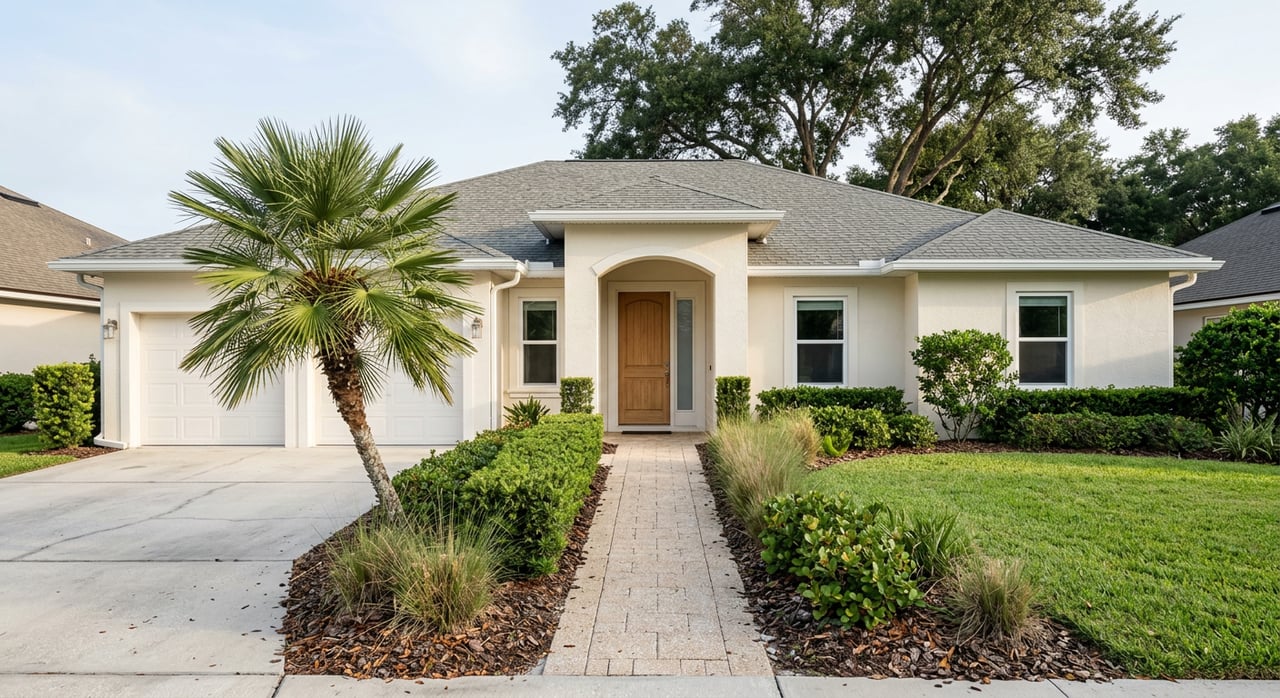
Thinking about selling your Edgewater home but not sure where to start? A clear, Florida-specific plan can save you time, reduce stress, and help you walk away with strong net proceeds. You want a smooth process, clean paperwork, and the right buyer at the right price. In this step-by-step guide, you’ll learn how to price, prepare, market, and close with confidence in Edgewater and greater Volusia County. Let’s dive in.
Know your market and timeline
Edgewater’s market ebbs and flows with seasonality and buyer activity. Many sellers here plan to list in late winter and spring when showings can pick up. Before you start, decide whether your priority is speed, top dollar, or a balance of both. That clarity drives every choice you make.
Clarify your goals
- What is your ideal move date and backup plan if timing shifts?
- Do you need to sell before you buy your next place?
- What net proceeds do you need after paying off any mortgage and closing costs?
Choose a local listing partner
A local agent helps you set strategy, interpret neighborhood comps, and navigate county customs. Your listing agreement should outline pricing, marketing, showing instructions, and compensation. Commissions are always negotiable, and the agreement should spell out services and timelines that fit your goals.
Price it right from day one
Your list price sends a signal to the market. A strong strategy starts with a detailed Comparative Market Analysis that adjusts for condition, location, lot size, and any special features like river access.
- For unique or higher-value properties, consider a pre-listing appraisal to reduce pricing risk.
- Use county data and recent local sales to cross-check your numbers. The Volusia County Property Appraiser search is a great place to confirm parcel details, assessed values, exemptions, and tax history.
Prep the home: repairs, staging, and disclosures
A clean, well-maintained home photographs better and feels move-in ready to buyers.
Make smart pre-listing fixes
- Tackle small, visible items that make a big impact such as fresh paint, caulk, lighting, and landscaping.
- Consider a pre-listing walkthrough with your agent or a home inspector to spot issues before a buyer’s inspection.
- In Florida, lenders often require a wood-destroying organism (WDO) report. If you suspect an issue, address it early to avoid delays. The state’s inspection form and rules are outlined by FDACS on Form FDACS-13645.
Stage and capture professional photos
Staging helps buyers visualize your space. According to national research from NAR, staging can reduce time on market and may lead to modest increases in offers. Learn more in the NAR home staging report.
Complete Florida disclosures early
Florida law requires sellers to disclose known facts that materially affect value and are not readily observable. This duty applies even in an “as-is” sale. Most sellers complete a standard disclosure form provided by their agent. For background, see the Florida Bar’s explanation of the Johnson v. Davis decision on a seller’s duty to disclose here. Being thorough up front builds trust and can reduce renegotiations later.
List and market your Edgewater home
Once your home is ready, your agent will publish to the MLS and amplify across major home search portals. Make showings easy with clear instructions and flexible availability.
- Launch day matters. A sharp price, strong photos, and accurate details drive early momentum.
- Your agent will gather feedback from showings and recommend small adjustments.
- In softer conditions, you might consider small credits or closing cost help to attract buyers. In firmer conditions, you can prioritize timing and price.
Review offers, negotiate, and go under contract
A complete offer includes price, earnest money, financing and appraisal terms, inspection timelines, closing date, and any seller concessions.
Inspection period basics
In Florida, buyers and sellers typically negotiate a 7 to 15 day inspection period. Buyers often order a general home inspection plus specific checks like roof, HVAC, pool, septic, or a WDO report. If issues come up, you and the buyer can negotiate repairs, credits, or price adjustments. To see the WDO report format used by Florida licensees, review FDACS-13645.
Under contract: appraisal, title work, and loan steps
If the buyer has a loan, the lender orders an appraisal. If value comes in short, you may renegotiate, the buyer can add cash, or either party may cancel depending on the appraisal contingency.
Title companies handle the title search, identify liens, and prepare closing documents. In Florida, customs vary by county on who pays the owner’s title policy. Your agent can confirm the local norm and help you negotiate. Lenders must provide a Loan Estimate early and a Closing Disclosure at least three business days before closing. That disclosure timing can set the final closing date, so plan your move around it. Read the CFPB’s plain-language overview of the disclosure rule here.
Closing day and getting paid
At closing, the deed records, payoffs and taxes are handled, and you hand over keys per the contract. Your net proceeds are usually wired to your bank the same day or within one business day, depending on the title company and bank.
One predictable Florida seller cost is the documentary stamp tax on the deed. The State of Florida sets the rate for most counties at $0.70 per $100 of consideration. You can confirm this rate in the state’s guidance on documentary stamp tax. Ask the title company for a draft seller net sheet early so you can plan with confidence.
Florida coastal factors: flood zones and insurance
Edgewater sits along the Indian River Lagoon, so flood risk varies by neighborhood and elevation. If a property lies in a FEMA Special Flood Hazard Area, most lenders will require flood insurance. Before you list, check your property’s flood zone using FEMA’s Flood Map Service Center. If you have an elevation certificate, share it with your agent to answer buyer questions quickly.
HOA and condominium documents
If your property is in a homeowners association, Florida law requires a specific HOA disclosure summary. Buyers may have cancellation rights if required disclosures are not delivered on time. See Fla. Stat. § 720.401 for the HOA disclosure summary requirements. If you are selling a condominium, Florida law outlines documents the seller must provide and includes a buyer review window. See Fla. Stat. § 718.503 for details. Your agent will help coordinate complete, timely documents to keep the deal on track.
Estimated seller costs in Florida
Every sale is different, but you can expect some or all of the following line items at closing:
- Real estate brokerage compensation, as negotiated in your listing agreement.
- Documentary stamp tax on the deed, typically $0.70 per $100 of sale price in most counties. Confirm with the title company using the state’s documentary stamp tax guidance.
- Owner’s title insurance policy and related title fees if customary in your county or agreed in the contract.
- Prorated property taxes through the closing date.
- HOA or condo estoppel, transfer, or payoff fees if applicable.
- Agreed repairs or buyer credits from inspection findings.
- Mortgage payoff and any lien payoffs.
- Moving and cleaning costs.
Ask your title company for an early estimate so you can market with a realistic net proceeds range.
Timeline: what to expect
- Pre-listing prep: 1 to 3 weeks for cleaning, small repairs, staging, and professional photography.
- Listing to accepted offer: ranges with price, season, and condition. Your strategy and timing make a difference.
- Contract to close: about 30 to 45 days when the buyer has financing, sometimes faster for cash. The lender’s Closing Disclosure includes a built-in 3 business day waiting period before closing, explained by the CFPB here.
Quick seller checklist
- Pull parcel data, assessed value, exemptions, and tax history from the Volusia County Property Appraiser.
- Decide on presentation: cleaning, minor fixes, staging, pro photos, and a floor plan. See NAR’s staging research.
- Complete seller disclosures early and gather any permits, receipts, and manuals. Review Florida’s disclosure duty via the Florida Bar’s overview.
- Address potential WDO issues or schedule an inspection if needed using the FDACS WDO framework.
- Confirm closing costs with the title company, including the state documentary stamp tax. Ask for a draft net sheet.
- If in an HOA or condo, request required documents in advance. See Fla. Stat. §§ 720.401 and 718.503.
- Check your FEMA flood zone and gather any elevation certificate via FEMA’s Flood Map Service Center.
Ready to talk through pricing, timing, and a custom marketing plan for your Edgewater home? Reach out to Megan Guerrero for a friendly, no-pressure consultation and a clear path to closing.
FAQs
What are Florida seller disclosure rules for Edgewater homes?
- Florida law requires you to disclose known, material facts not readily observable, even in an as-is sale. The Florida Bar’s Johnson v. Davis overview explains this duty and why completing disclosures early helps prevent surprises.
Do I need a termite or WDO inspection to sell in Edgewater?
- Lenders and many buyers request a WDO report during inspections. Address known issues before listing to avoid delays. See the FDACS WDO form and rules on FDACS-13645.
How long does a financed sale usually take to close in Volusia County?
- Many financed sales close in about 30 to 45 days, depending on appraisal, underwriting, title work, and the federal 3 business day Closing Disclosure waiting period.
Who typically pays for the owner’s title insurance policy in Florida?
- It depends on county custom and what the contract states. Your agent and title company will explain local practice and negotiate the best approach for your sale.
What Florida closing costs should I budget for as a seller?
- Plan for negotiated brokerage compensation, the state documentary stamp tax on the deed, prorated property taxes, title-related fees, any HOA or condo estoppel fees, and agreed repairs or credits.
How do I check if my Edgewater home is in a flood zone?
- Search your address in FEMA’s Flood Map Service Center and review any elevation certificate you have. If your property is in a Special Flood Hazard Area, most lenders will require flood insurance.
What HOA or condo documents must I provide to a buyer in Florida?
- HOA sellers must provide the HOA disclosure summary under Fla. Stat. § 720.401. Condo sellers must provide documents listed in Fla. Stat. § 718.503, and buyers get a review period as outlined by law.